Two-way and three-way matching, and when the third document is worth the effort
The difference between matching an invoice to an order and matching it to what actually arrived, what each one catches, and where a small company should draw the line.
In short
- Two-way matching answers “is this the right price for the right thing”. Three-way adds “and did we get it”.
- The gap between them is where a company pays in full for a delivery that arrived short, which is not an exotic failure. It is the ordinary one.
- The receiving record is the hard leg to produce, which is exactly why it is the one worth having.
Accounts payable has a simple job with an awkward middle. The invoice says pay us this. The question is what to check it against.
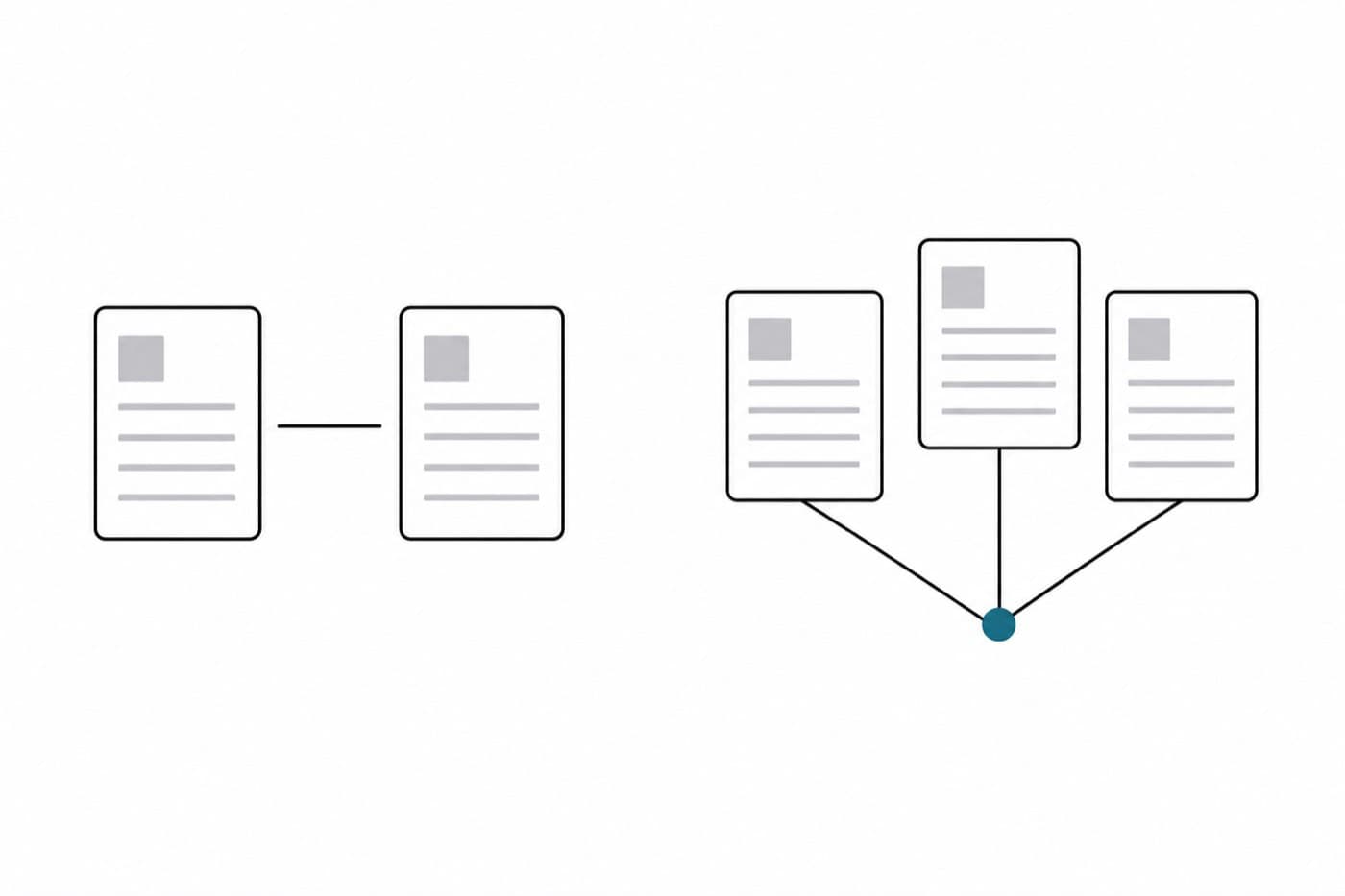
What each one catches
| Error | Two-way | Three-way |
|---|---|---|
| Wrong price against the agreed price | Caught | Caught |
| Item not on the order at all | Caught | Caught |
| Duplicate invoice | Usually caught | Usually caught |
| Billed for 40, only 34 arrived | Missed | Caught |
| Billed for a delivery that never came | Missed | Caught |
| Billed for goods returned as damaged | Missed | Caught |
| Goods arrived but failed inspection | Missed | Missed: this is what four-way adds |
Read down the missed column. Every one of them is a payment for something the company did not receive, and none of them is unusual. That is the entire argument for the third document.
Why small companies skip it, and when that is defensible
Because the receiving record is work, and it is work done by somebody who is not the person paying the invoice, at a different time of day, under time pressure. When the same person orders, receives and pays, three-way matching feels like checking your own homework, and at two suppliers and four deliveries a week, it more or less is.
It stops being defensible at a specific point, and the point is not a volume. It is the moment ordering and receiving are done by different people. From then on nobody has the whole picture in their head, and the whole picture is what two-way matching was silently relying on.
Tolerances, and where to put them
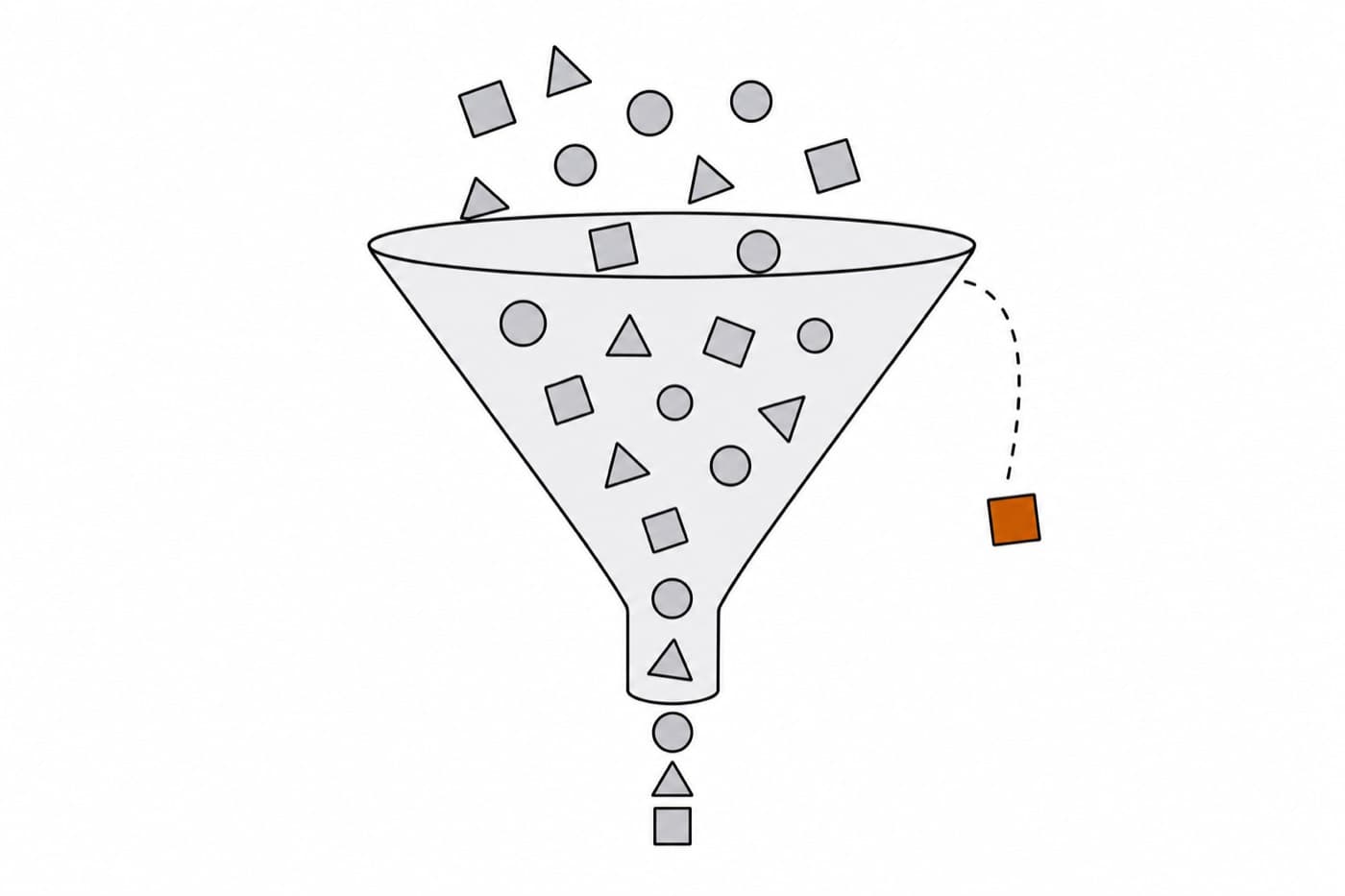
- 1Set them per line, not per invoice. A tolerance applied to an invoice total lets a large error on one line hide behind a large total. Per line, it cannot.
- 2Use the lower of a percentage and an absolute amount. A flat percentage is too generous on expensive lines and too tight on cheap ones.
- 3Treat quantity and price differently. A price within a small tolerance is usually rounding or freight. A quantity outside tolerance is a physical fact and should always stop the payment.
- 4Record who approved every exception. The approval is the control. An exception that clears itself is not a tolerance, it is a hole.
The mechanics of what the receiving record has to contain to be usable as the third leg are in the goods received note template, and the wider picture in three-way matching explained.
Questions people ask
- What is three-way matching?
- Comparing three documents before an invoice is paid: the purchase order, showing what was agreed; the receiving record, showing what actually arrived; and the invoice, showing what is being charged. All three must agree on item, quantity and price, or the difference has to be explained and approved.
- What is four-way matching?
- Three-way matching plus an inspection or quality record, so payment also depends on the goods having passed acceptance rather than merely having arrived. It is used where receipt and acceptance are genuinely different events, such as regulated or make-to-print components.
- Is two-way matching enough for a small business?
- It is enough only where somebody would certainly notice goods never arriving, which usually means very few suppliers and one person handling everything. The moment ordering and receiving are done by different people, two-way matching stops catching the error that matters.
- What tolerance should I allow on a match?
- Enough that trivial differences do not stop payment, and small enough that a real error cannot hide underneath. A common shape is a small percentage or a small absolute amount, whichever is lower, applied per line rather than per invoice: a per-invoice tolerance lets a large error hide behind a large total.
- What happens when the three documents do not agree?
- The invoice goes on hold and somebody decides: accept the difference, request a credit, or reject. What matters is that the decision is recorded against the order, because an exception approved by nobody in particular is the gap most invoice fraud walks through.
Sources
- 01ISO 9001:2015, clause 8.6: release of products and services · International Organization for StandardizationRequires documented evidence of conformity and of who authorised release. The receiving record is that evidence, and it is the leg three-way matching adds.
DockCount does this job on a phone at the bay: count a delivery against the order it was placed on, photograph anything wrong, and the record writes itself. warehouse receiving software.