Lot and batch traceability, and why it is decided at goods in
Traceability fails at the receiving dock more often than anywhere else, because that is the one point where a batch number can still be attached to the right delivery.
In short
- Traceability is not a filing problem. It is a capture problem, and the capture happens at the dock or not at all.
- Good batch records turn a total recall into a partial one. That is the entire commercial argument.
- If your customers make anything regulated, your receiving record is part of their compliance, and they will eventually ask to see it.
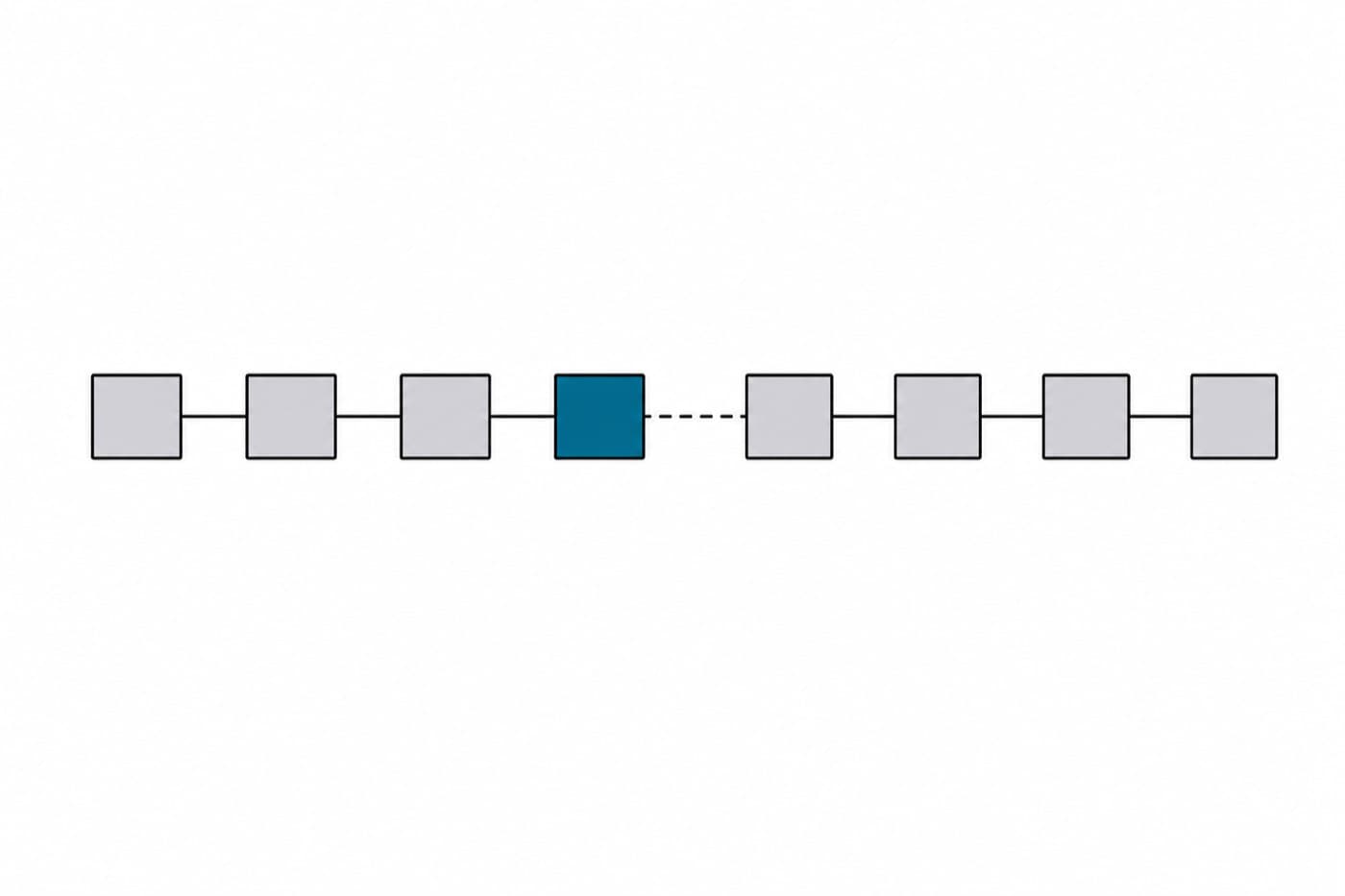
Every traceability system is a chain of small records, and chains break at their weakest link. In practice that link is almost always the same one: the moment a batch number printed on a carton has to become a batch number in a system.
Why receiving is the deciding moment
It is the only point where four facts are simultaneously present and verifiable: what arrived, which batch it is, who sent it, and when. Twenty minutes later the pallet is broken down and the outer packaging, which is where the batch number usually is, has gone in a bin.
Nothing downstream can recover it. A production record can say which of your outputs used which of your inputs, but if the input was never identified by batch, the trace stops at your own front door.
What to capture, at minimum
- 1The batch or lot number, exactly as printed. Not tidied, not reformatted. If the supplier writes it with a slash, keep the slash: you will be matching against their records, not yours.
- 2The quantity received against that batch. One delivery can contain two batches, and treating it as one is how a partial recall becomes a total one.
- 3The supplier and their delivery reference. The thread back to their own records.
- 4Date received, and expiry or best-before where it exists.
- 5A photograph of the label. The cheapest insurance there is against a transcription error nobody notices for a year.
The regulated case, briefly
For foods on the FDA’s Food Traceability List, Rule 204 requires specific key data elements at defined critical tracking events, and receiving is one of them. If that applies to you, the shape of your goods-in record is not a matter of preference. If it does not, the rule is still a good template, because it was written by people who have traced a lot of outbreaks backwards and know which fields turn out to be missing.
This describes how the rules generally work in the United States and links to the primary sources so you can read them yourself. It is not legal advice, and your contract with a supplier or carrier can change any of it. For money that matters, ask a lawyer.
The commercial argument, for everyone else
Most companies reading this are not regulated, and the honest case is not compliance. It is that a customer will one day phone and ask which batch you supplied on a particular date. Answering in a minute keeps the account. Answering with a shrug does not, and it turns their targeted recall into one that includes everything you ever sent them.
Questions people ask
- What does one up, one back mean?
- You can say who you got a batch from and who you sent it to, but not necessarily anything beyond that. It is the minimum most regimes ask for, and it works only if every link keeps its own records, which is why your receiving record matters to your customer as well as to you.
- Do I need lot traceability if I am not in food or medical?
- Legally, often not. Commercially, frequently yes: any customer who has to recall something will ask you which batch you supplied, and an answer of 'we do not record that' is a slow way to lose an account. It also turns a total recall into a partial one, which is the difference between a bad week and a very bad quarter.
- Where does traceability usually break?
- At receiving, and almost always the same way: the batch number is on the carton but never gets into the record, because capturing it is an extra field on a busy afternoon. Once the carton is opened and the packaging is gone, the link cannot be rebuilt from anything.
- What is a critical tracking event?
- A defined point where records must be kept because the product changes hands or state: receiving, transformation, shipping. The FDA food traceability rule is built around them, and receiving is one, which is why the rule effectively regulates what your goods-in record must contain.
- How long should traceability records be kept?
- As long as the longest of: the regulation covering your product, your customer contracts, and the shelf or service life of what you made from it. For food under the FDA rule that is two years; for a component in machinery it may be far longer. Keeping them for as long as the finished product could plausibly come back is the practical test.
Sources
- 01FSMA Rule 204: additional traceability records for certain foods · US Food and Drug AdministrationApplies to foods on the Food Traceability List and requires specific key data elements at defined critical tracking events, one of which is receiving.
- 02ISO 9001:2015, clause 8.5.2: identification and traceability · International Organization for StandardizationRequires identifying outputs and, where traceability is a requirement, controlling and retaining the unique identification.
DockCount does this job on a phone at the bay: count a delivery against the order it was placed on, photograph anything wrong, and the record writes itself. What receiving software costs, and the free tier.