The barcodes on a carton, and which one you should actually be scanning
GTIN, SSCC, GS1-128 and the plain retail barcode do different jobs. Scanning the wrong one is why a scan sometimes tells you nothing useful.
In short
- A retail barcode identifies a kind of thing. A logistics label identifies this thing. Receiving needs the second.
- One GS1-128 label can carry the unit, the batch, the expiry and the quantity at once, which is why a single scan sometimes fills four fields.
- A scan that returns a number nothing on your side recognises is not a working scanner. It is a missing product record.
Most cartons arriving at a small manufacturer carry two or three barcodes, and people reasonably assume any of them will do. They do not do the same job, and the difference explains most of the disappointment with scanning at goods in.
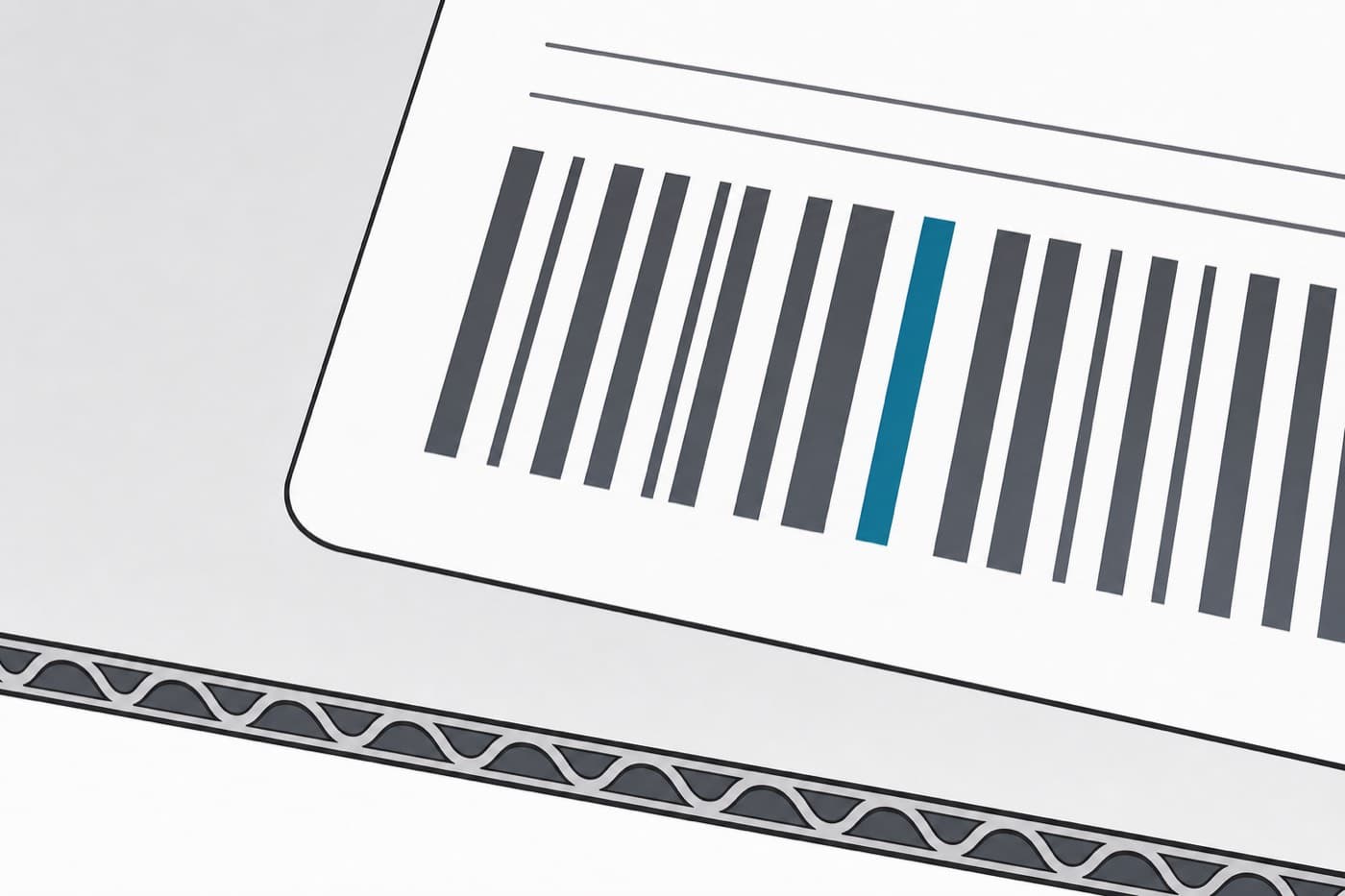
The four you will actually see
| What it is | What it identifies | Useful at receiving? |
|---|---|---|
| GTIN, in an EAN-13 or UPC symbol | A product type. Every identical unit shares it. | Only to confirm what kind of item it is. |
| GS1-128 logistics label | A carton or pallet, with extra data attached. | Yes. This is the one. |
| SSCC inside that label | One specific logistics unit, uniquely. | Yes. It is what a shipment notice refers to. |
| The supplier's own internal code | Whatever their system happens to use. | Only if you have agreed what it means. |
What a GS1-128 label carries
The symbol holds several fields, each introduced by a short numeric tag called an application identifier. You do not need to memorise them, but knowing they exist explains why one scan can populate a whole line:
- The SSCC, identifying this specific carton or pallet.
- The GTIN of what is inside it.
- A batch or lot number, where the goods carry one.
- A production or expiry date.
- The count of items inside, for a variable or fixed measure.
Worth knowing
A label being present does not mean the data behind it exists on your side. If your system has never been told which product a GTIN refers to, a perfectly good scan produces a number and nothing else. That is a data problem wearing a hardware problem’s clothes, and buying a better scanner will not fix it.
When scanning is worth it, and when it is not
It earns its place when the same items arrive repeatedly, the supplier already labels properly, and the volume is high enough that typing is the slow step. It does not earn its place when every delivery is different, the labels are inconsistent, or: the common case : the actual failure is that nobody writes anything down until the end of the day.
The check that decides it is in dock-to-record time. If that gap is hours, a scanner will make an inaccurate process faster.
Asking suppliers for better labels
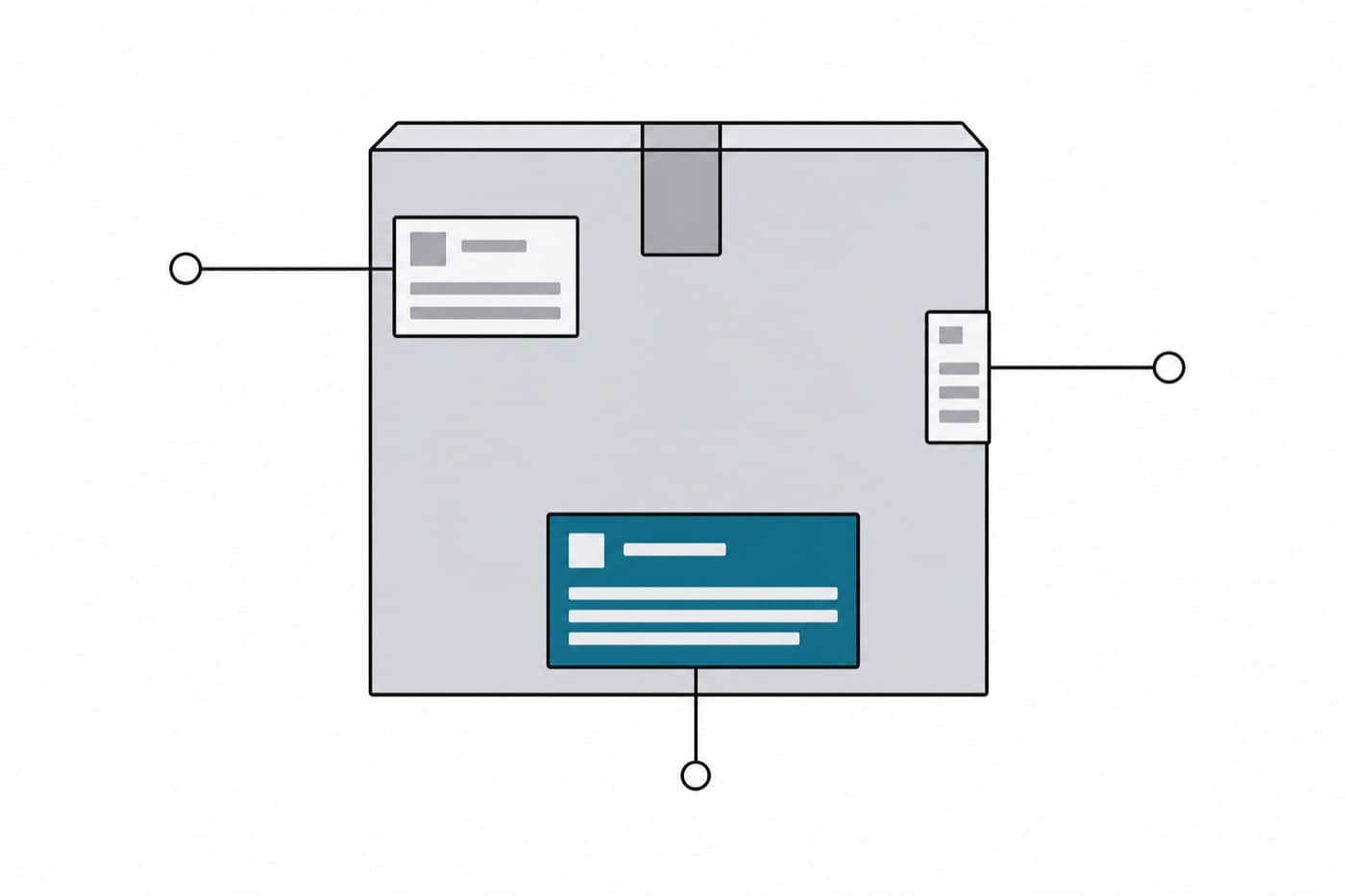
This is a normal request and most suppliers who ship to anyone larger already comply. Put it in writing once, in the routing guide, and ask for three things: the purchase order number on the outside of the shipment, a GS1-128 label on each pallet, and the batch number where the goods have one.
Questions people ask
- What is the difference between a GTIN and an SSCC?
- A GTIN identifies a product type: every jar of the same size and flavour shares one. An SSCC identifies a single logistics unit: this pallet, this carton, once, ever. Scanning a GTIN at receiving tells you what kind of thing arrived. Scanning an SSCC tells you which specific one, which is what lets a system match it to a shipment notice.
- Do I need a scanner to receive properly?
- No, and it is not usually the binding constraint. Scanning speeds up an accurate count and removes typing errors, but it cannot create a record where nobody made one, and it cannot photograph a crushed corner. At five to fifty deliveries a week the thing costing you money is almost always that the record gets written later from memory.
- What is a GS1-128 label?
- A barcode symbology that carries multiple pieces of data in one symbol, each tagged with an application identifier that says what it is: SSCC, batch number, expiry date, quantity. It is what most shipping labels use, which is why one scan of a pallet label can populate several fields.
- Why does my scanner read a number that means nothing to my system?
- Usually because it read the GTIN on the inner pack rather than the logistics label on the outside, or because the supplier's numbers were never loaded into your system in the first place. A barcode is only a pointer; if nothing on your side knows what it points at, a successful scan is still a dead end.
- Can suppliers be asked to apply proper labels?
- Yes, and it is a reasonable request that costs them little if they already ship to anyone larger. Put it in your routing guide alongside the purchase order number, and expect it to take a few deliveries to stick.
Sources
- 01GS1 barcodes · GS1The standards body that issues company prefixes and defines the symbologies. Every legitimate retail barcode traces back to a prefix licensed here.
- 02SSCC, the Serial Shipping Container Code · GS1The 18-digit key that identifies one specific logistics unit: this pallet, not this kind of pallet.
DockCount does this job on a phone at the bay: count a delivery against the order it was placed on, photograph anything wrong, and the record writes itself. What receiving software costs, and the free tier.