A one-page routing guide, so suppliers ship the way you need
Most receiving problems are created before the truck leaves. A routing guide is the short document that prevents them, and here is one you can send today.
In short
- Most receiving problems are packed into the shipment before it leaves. That is where they are cheapest to prevent.
- One line does more than the rest combined: put the purchase order number on the outside.
- Keep it to a page. A twelve-page vendor manual from a company taking nine deliveries a week does not get read.
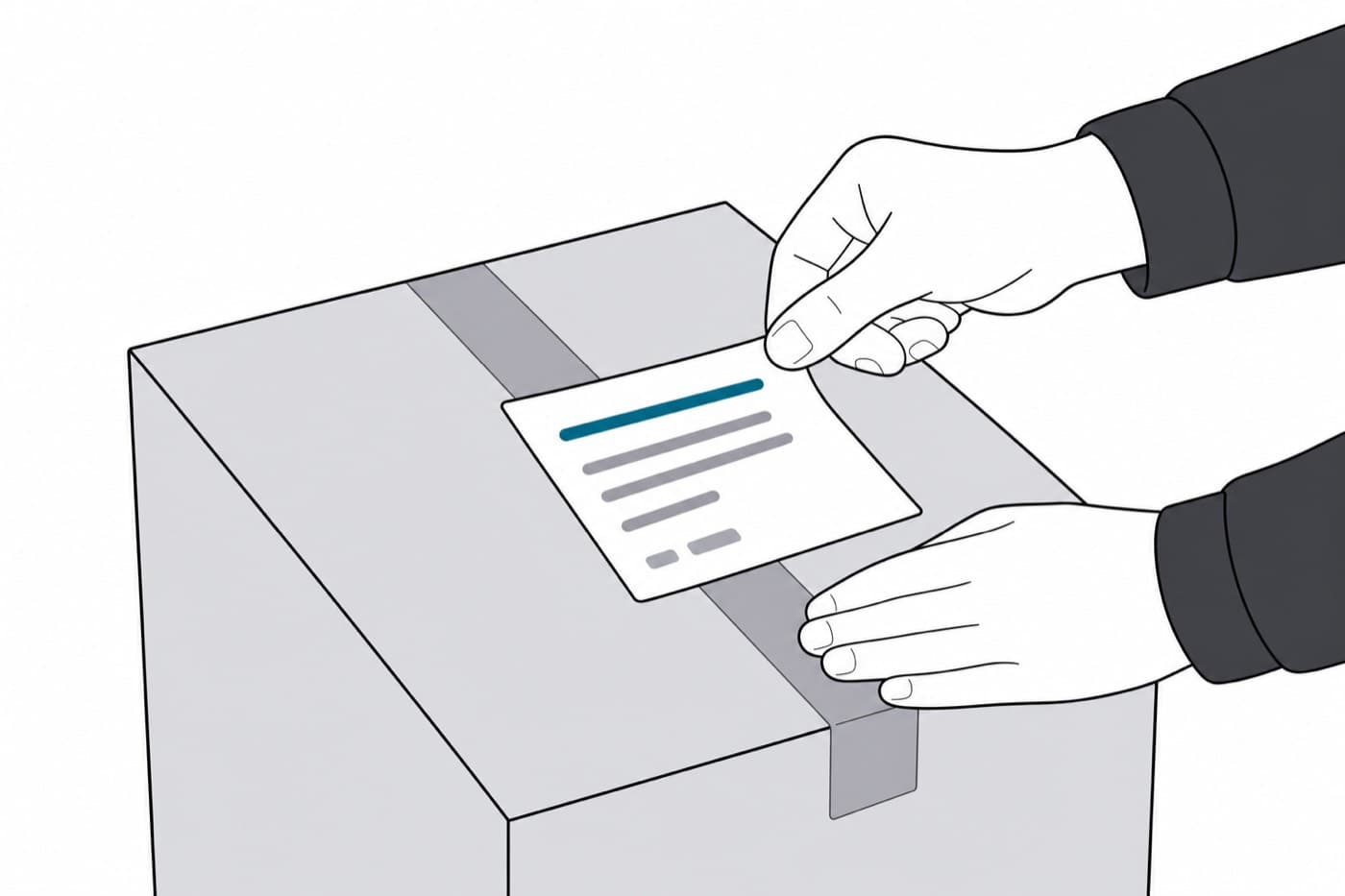
Everything else on this site is about handling what arrives. This is the one page about changing what arrives, and per hour spent it is the highest-return thing in the whole subject.
Routing guide
Send with the first order. Update it when anything changes.
Company
Version and date
Deliver to (full address)
Dock or entrance
Delivery hours
Appointment required? Who to book with
Receiving contact and phone
Purchasing contact for problems
On every shipment
- Our purchase order number on the outside of the shipment and on the packing slip
- A packing slip inside or attached, listing item, description, quantity shipped and quantity back ordered
- Quantities stated in the unit of measure used on our purchase order
- Batch or lot number shown where the goods carry one
- GS1-128 label on each pallet where you already use them
- ISPM 15 compliant, legibly marked wood packaging on international shipments
Packing
- One purchase order per shipment where possible; if combined, mark clearly which is which
- Do not mix items within a carton without a packing list on that carton
- Palletised goods shrink wrapped, square, and not overhanging the pallet
- Fragile or high value items packed so the outer carton would show impact damage
Tell us before it ships
- Any short shipment or substitution, before dispatch rather than on arrival
- Any delivery outside the agreed window
- Any change of carrier for scheduled or oversized freight
Questions about this document
Issued by
Next review
Why each block is there
| Instruction | The problem it removes |
|---|---|
| PO number on the outside | The receiver guessing which open order a pallet belongs to. This is the single biggest cause of a delivery booked against the wrong order. |
| Quantities in our unit of measure | The false shortage. Ordering 40 and receiving 4 cases of 10 is not short, and finding that out after you have emailed a complaint is worse than finding it out now. |
| Batch numbers shown | Traceability that stops at your own front door because the number was on packaging that went in a bin. |
| Notify short shipments before dispatch | Turning a dispute into an expectation. Nobody minds a planned short ship; everybody minds a surprise one. |
| Delivery hours and appointments | A driver arriving when nobody can unload, which becomes waiting time somebody pays for. |
How to send it so it works
- 1Attach it to the first purchase order, not to a separate welcome email nobody opens.
- 2Name a person, not a department. Instructions with a human attached get followed.
- 3Re-send it once after the first non-compliant delivery, without drama. Most non-compliance is that it never reached the person who packs.
- 4Then measure rather than escalate. Record paperwork compliance on the vendor scorecard and raise it at renewal, where it is worth money.
Questions people ask
- What is a routing guide?
- A short document telling suppliers exactly how to deliver to you: address and dock, delivery hours and whether an appointment is needed, what must appear on the paperwork and labels, packing requirements, and who to contact about changes. Large retailers publish elaborate ones; a small manufacturer needs about one page.
- Will small suppliers actually follow it?
- Most will, because it removes ambiguity for them too. Expect it to take a few deliveries to stick and expect to have to repeat it once. The ones who ignore it repeatedly are telling you something useful about how the relationship will go, and it is worth recording on a scorecard rather than remembering as a grievance.
- What is the single most valuable instruction?
- The purchase order number on the outside of the shipment and on the packing slip. Without it the person at your dock is guessing which of your open orders a pallet belongs to, and a delivery booked against the wrong order is harder to unpick than one not booked at all.
- Should I include penalties?
- Not at this size. Retail-style chargebacks require an administrative machine you do not have and will sour relationships you depend on. Measure instead: record compliance on a vendor scorecard and use it at renewal, where it is worth actual money.
- When should I send it?
- With the first purchase order to a new supplier, and again whenever anything changes: new dock, new hours, new system. Sending it once at onboarding and never again means it describes a company you were two years ago.
DockCount does this job on a phone at the bay: count a delivery against the order it was placed on, photograph anything wrong, and the record writes itself. What receiving software costs, and the free tier.