EDI 856 and the advance ship notice, for people who do not have EDI
What an ASN actually contains, why bigger customers insist on them, and what a small manufacturer can do with the idea without buying an EDI system.
In short
- The value of an ASN is time, not accuracy. It tells you early; it does not tell you truly.
- You can have most of the benefit with an email. Ask for the content, not the format.
- Its distinguishing feature is the nesting: which item is in which carton.
Large retailers mandate advance ship notices and fine suppliers who fail to send them, which has given the whole idea an air of enterprise machinery. The underlying idea is simple enough to be useful to anyone.

What it contains
Four nested levels, which is the part that makes it more than a packing list:
| Level | Says |
|---|---|
| Shipment | Who is sending it, to where, by which carrier, with which reference and when. |
| Order | Which purchase order this part of the shipment belongs to. |
| Pack | Which carton or pallet, usually identified by an SSCC. |
| Item | Which items and quantities are inside that pack. |
That nesting is why a receiver with a scanner can scan one carton label and know its contents without opening it, and why the SSCC on the label matters: it is the key the notice refers to.
What to do without EDI
- 1Ask for a dispatch email on the day it ships. Purchase order number, items, quantities, carton count, carrier and tracking. That is an ASN in prose.
- 2Use it to plan, not to count. Space, labour, and whether anything is missing before the truck arrives.
- 3Do not receive against it. Count against the purchase order. The notice is what the supplier intended to send.
- 4Compare notice to delivery occasionally. A supplier whose notices are reliably accurate has earned lighter checking; one whose are not has told you something.
Worth knowing
The failure mode with any advance notice is that it becomes the thing people count against, because it is already in the system and typing is tedious. That is the same mistake as counting against the packing slip, wearing a more modern coat.
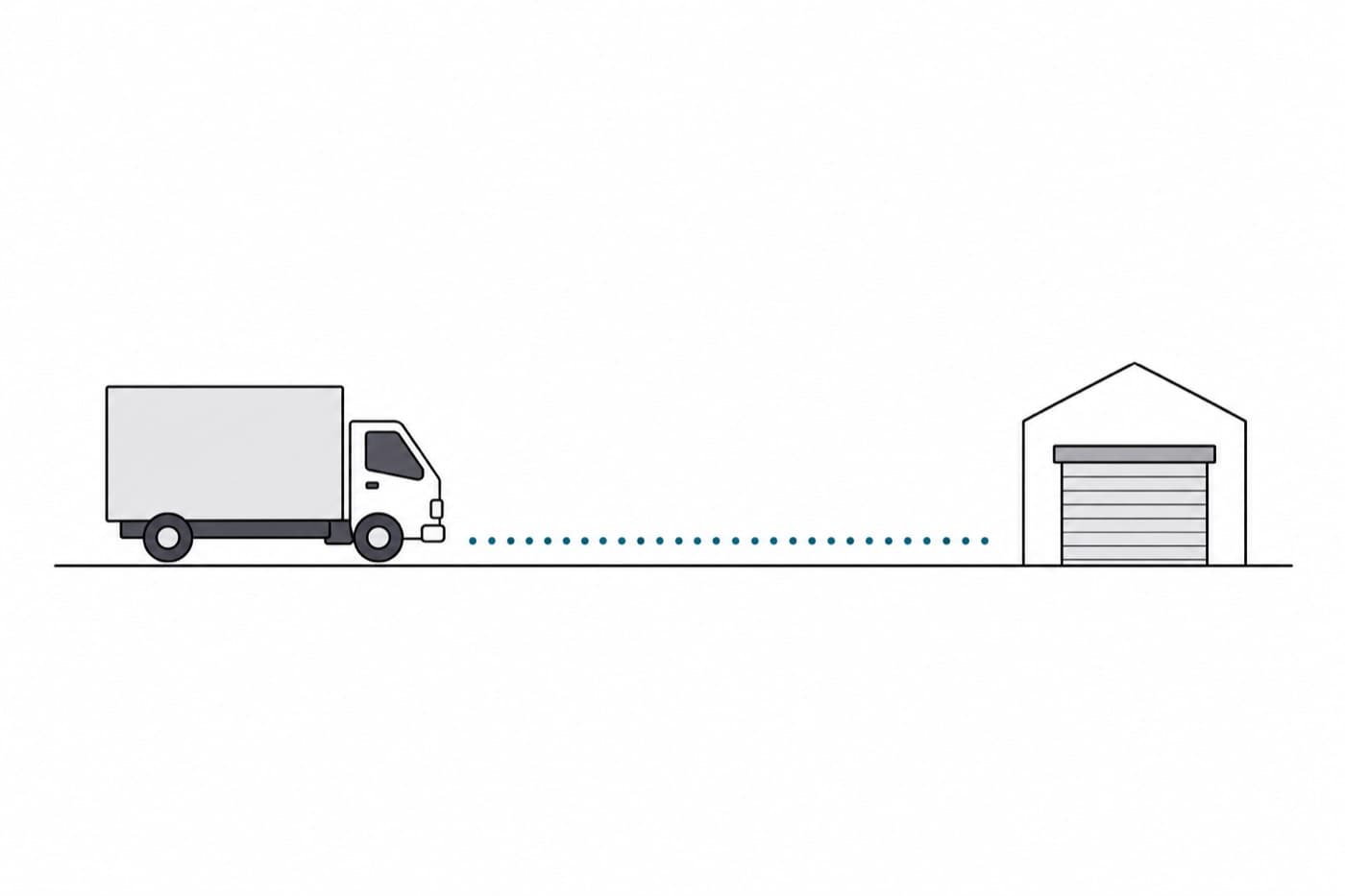
How much to trust one, at more length: advance shipping notices, and how much to trust one.
Questions people ask
- What is an EDI 856?
- The transaction set used to send an advance ship notice: a structured electronic message describing a shipment before it arrives. Its distinguishing feature is a nested hierarchy, shipment, then order, then pack, then item, so a receiver can know not just what is coming but which carton each thing is in.
- Do I need EDI to receive from a supplier who uses it?
- To receive the electronic message, yes, or a service that translates it. But most suppliers who can send an 856 can also send a human-readable packing list by email, and at small volumes that captures most of the value for none of the cost.
- What is the benefit of an ASN if I still have to count?
- You still count, and you should. The benefit is earlier: knowing what is coming lets you plan labour and space, spot a short shipment before the truck arrives rather than at the dock, and chase a missing delivery on the day it was due instead of the week after.
- Should I trust an ASN?
- Treat it as the supplier's intention rather than as fact. It is generated when the shipment is packed, and anything that changes afterwards, a last-minute substitution, a carton left behind, will not be in it. It is a plan, and the pallet is the outcome.
- Can I ask suppliers for ASNs?
- Yes, and phrase it as what you want rather than as a format. Ask for a packing list emailed on the day of dispatch showing the purchase order number, items, quantities, carton count and carrier reference. Suppliers with EDI will send an 856; the rest will send a PDF, and both solve your problem.
DockCount does this job on a phone at the bay: count a delivery against the order it was placed on, photograph anything wrong, and the record writes itself. reading a packing slip from a photograph.