Returns to vendor: getting the wrong goods off your floor and off your books
Rejected stock that stays in the corner is money you have already paid for. The RTV process, why it stalls, and a form that keeps it moving.
In short
- The goods leaving is not the outcome. The credit arriving is.
- Get the authorisation number before booking the collection, every time.
- Do not put disputed goods away. It can count as accepting them.
Rejected stock has a way of becoming furniture. It sits in a corner labelled with a note somebody wrote in good faith, and eighteen months later it is written off by a stock count rather than by a decision.
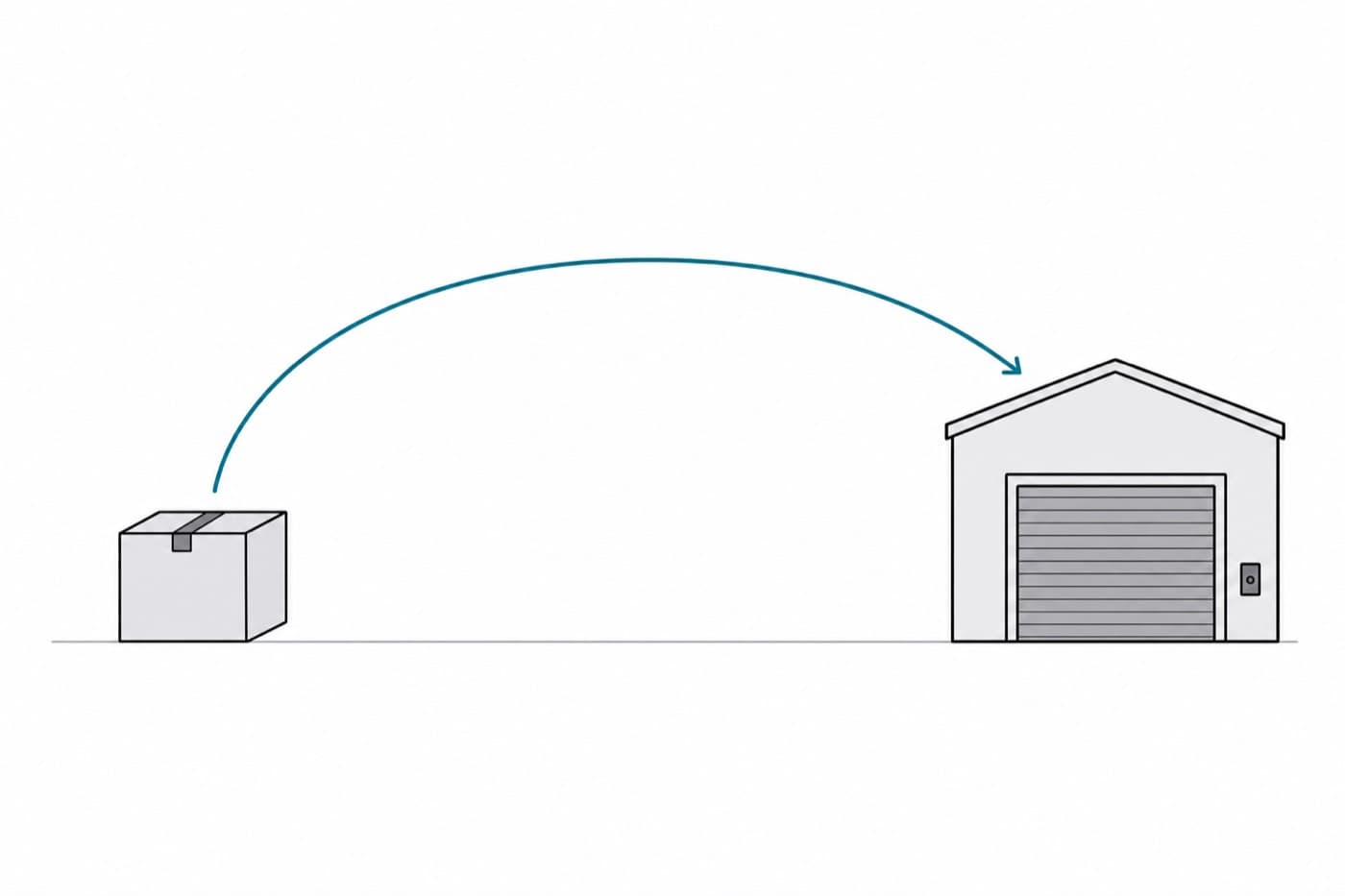
The order it has to happen in
- 1Decide and record the rejection. Which lines, what quantity, and why, against the delivery. If it is not on the receiving record it will not be on the credit.
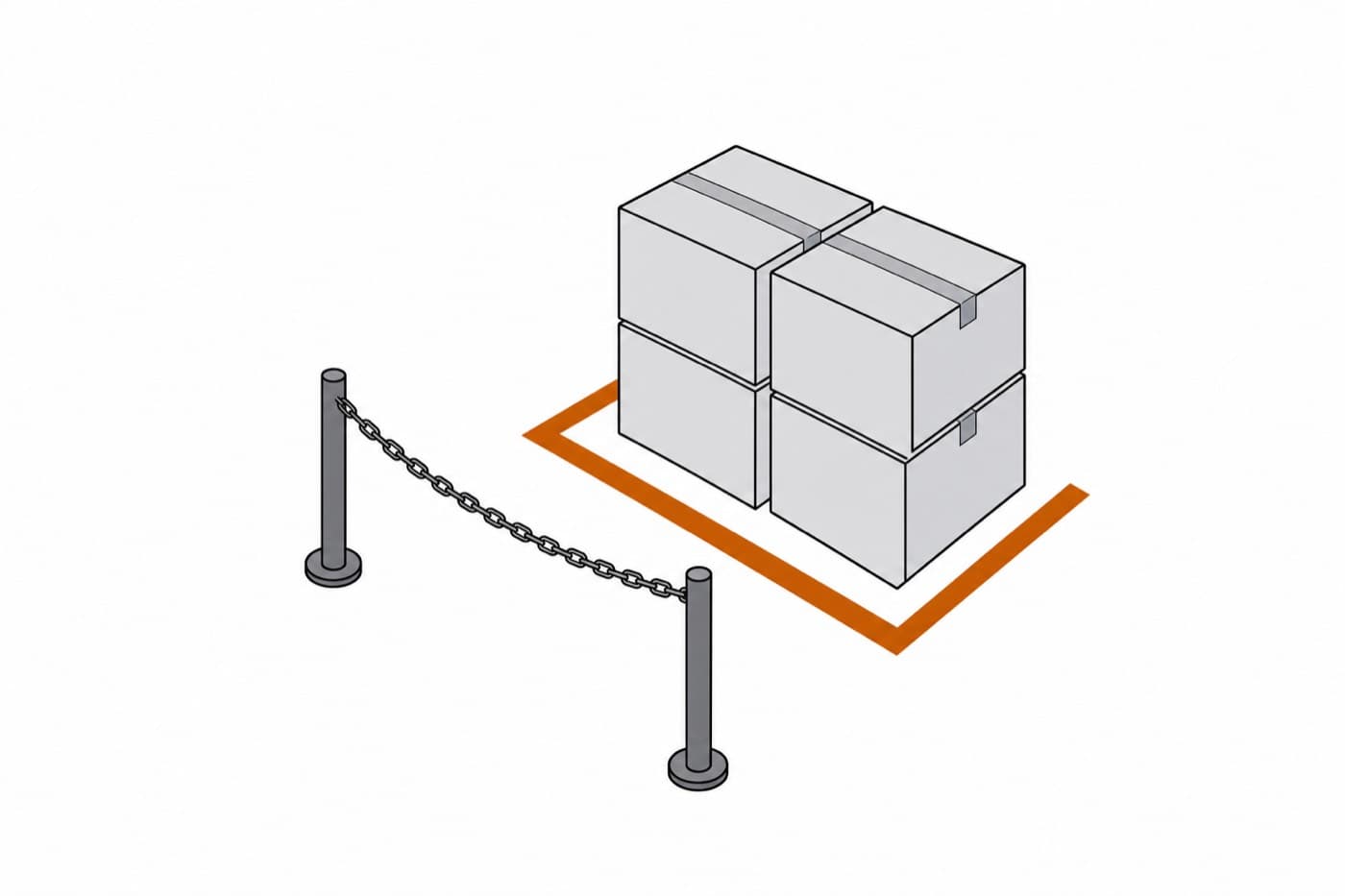
- 2Hold and label the goods. Out of the racking, out of the system, in a defined place with the reference on them.
- 3Tell the supplier the same day and ask for an authorisation number. Nothing physical moves until this exists.
- 4Agree who pays the return freight, in the same message. Not later, when the carrier has already been.
- 5Ship it with the authorisation number visible on the outside. The same instruction you give suppliers about your purchase order number, for the same reason.
- 6Chase the credit against a date. A return with no expected credit date is an open loop with nobody holding the other end.
Return to vendor
One per return. Nothing moves until the authorisation number is filled in.
RTV number
Date raised
Supplier
Original PO no.
Delivery date
Supplier authorisation / RMA no.
Reason for return
Raised by
| Item / SKU | Qty returned | Reason | Value | Batch / serial |
|---|---|---|---|---|
Who pays return freight (agreed with, and when)
Collected by / carrier and date
Credit expected by
Credit received (note no. and date)
Why they stall
| Stall | Cause | Prevention |
|---|---|---|
| Goods returned, no credit | No authorisation number, so nobody at the supplier could identify them. | Number first, always. It goes on the outside of the box. |
| Argument about freight | Nobody agreed it before the collection was booked. | Agree it in the same message as the RMA number. |
| Rejection weakened | Goods were put into stock while waiting. | Hold and label. Do not put away. |
| Written off quietly | No date was ever set for the credit. | Put a date on it and chase it like an invoice. |
This describes how the rules generally work in the United States and links to the primary sources so you can read them yourself. It is not legal advice, and your contract with a supplier or carrier can change any of it. For money that matters, ask a lawyer.
What to do at the moment you find the problem, before any of this starts: damaged or short on arrival.
Questions people ask
- What is an RTV?
- A return to vendor: sending goods back to the supplier who sent them, usually because they were wrong, damaged, over-shipped or rejected on inspection. The physical return is the easy half; the point of the process is the credit note.
- Do I need an RMA number?
- Almost always, and getting one first is what prevents the most common failure. Goods arriving back at a supplier without an authorisation number frequently sit in their goods-in area unidentified, which means no credit and an argument about whether they were ever returned.
- Who pays the return freight?
- It depends why they are going back. Supplier error, damage in their packing, or a short-dated product usually means they pay. A change of mind on your side usually means you do. The mistake is not the answer, it is not agreeing the answer before you book the collection.
- Can I put rejected goods into stock while I wait?
- No, and this is the expensive version of the mistake. Treating goods as your own can amount to accepting them under the UCC, which weakens the rejection you are relying on. Hold them, label them clearly, and keep them out of the racking.
- How long should a credit take?
- Whatever your terms say, and if they say nothing, agree a number. An RTV with no due date on the credit is how a return becomes a write-off eighteen months later, and nobody ever decided to write it off.
Sources
- 01UCC § 2-602. Manner and Effect of Rightful Rejection · Cornell Legal Information InstituteA rejection must happen within a reasonable time after delivery and the seller must be notified. It also addresses the buyer's obligations toward goods in their possession after rejection.
- 02UCC § 2-606. What Constitutes Acceptance of Goods · Cornell Legal Information InstituteActing inconsistently with the seller's ownership can constitute acceptance, which is the trap in putting disputed goods away.
DockCount does this job on a phone at the bay: count a delivery against the order it was placed on, photograph anything wrong, and the record writes itself. What receiving software costs, and the free tier.