Concealed damage: the claim that is already half lost when you find it
Why damage found after a clean signature is the hardest kind to recover, the short clock nobody tells you about, and what to do in the first hour.
In short
- There is no statutory floor under a concealed damage notice period. The carrier’s tariff sets it, and it is usually days rather than months.
- The outer packaging is the case. Keep it, photograph it from every side, and do not flatten it.
- Opening fragile freight on the day it arrives is the single cheapest thing you can do to protect a claim you do not yet know you have.
Everything else in freight claims runs on generous clocks. This one does not, and it is the category most likely to leave a small company holding the loss.
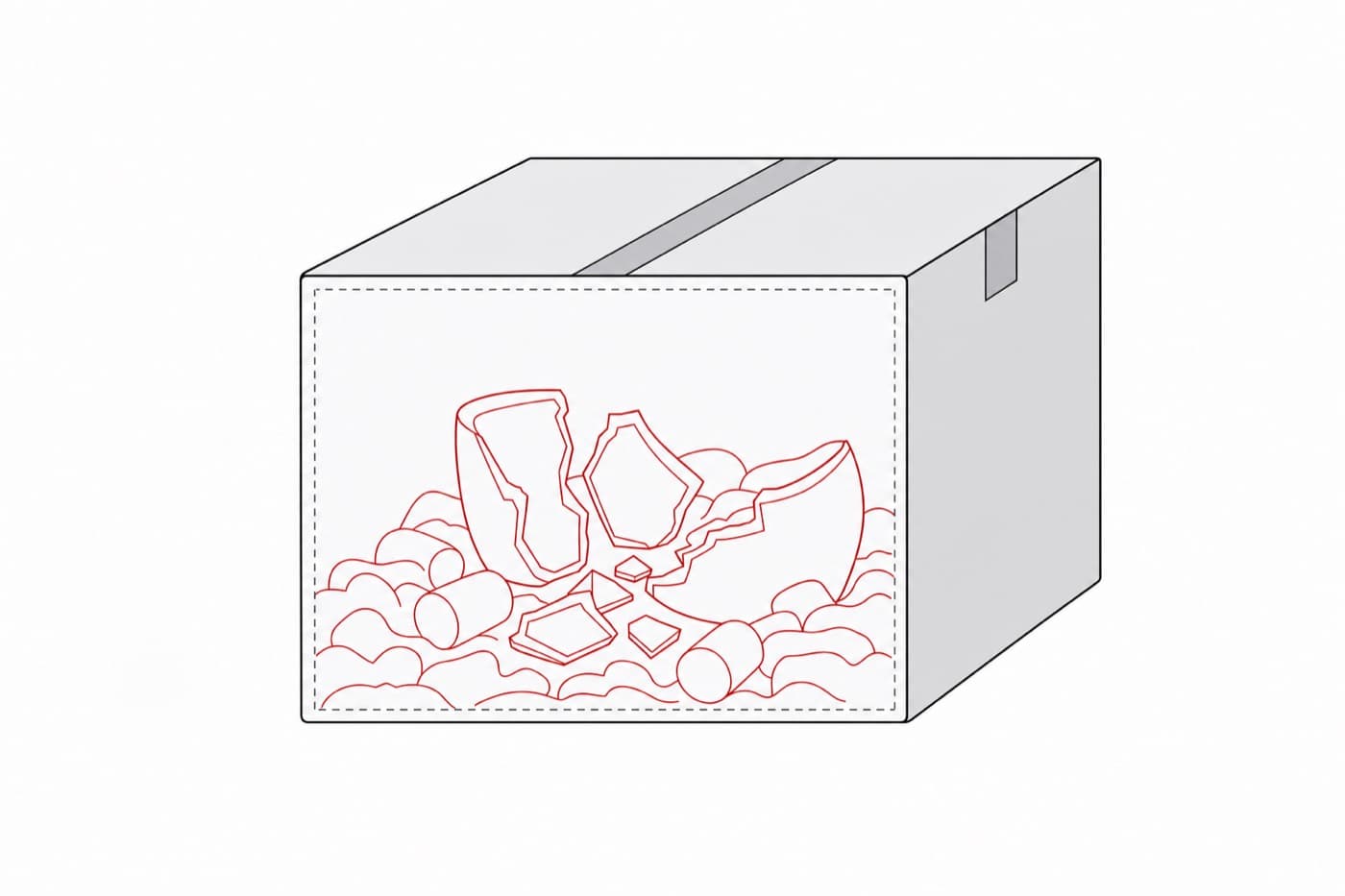
Why it is different
A visible damage claim is a documentary exercise: it was noted at delivery, both parties saw it, and the argument is about money. A concealed damage claim starts with the carrier holding a document you signed saying the freight looked fine. Everything after that is you trying to prove a negative about a period you were not present for.
| Visible damage | Concealed damage | |
|---|---|---|
| Noted at delivery | Yes, on the receipt | No, by definition |
| Who has to prove what | Carrier explains the exception | You show the damage happened in transit |
| Notice period | The general claim period, commonly nine months minimum | Whatever the tariff says, commonly five to fifteen days |
| Decided by | The exception on the paperwork | The condition of the outer packaging |
The first hour
- 1Stop. Do not move it, unpack it further, or throw anything away. The scene is the evidence and it degrades the moment somebody tidies up.
- 2Photograph the outer packaging first, before the contents. All six faces, including the bottom, and any shipping label. The bottom of a carton is where impact damage most often shows and it is the face nobody photographs.
- 3Photograph the contents in place, then removed. In place shows the relationship between the damage and the packaging. Removed shows the extent.
- 4Note the time you opened it. The gap between delivery and discovery is the carrier’s main argument. A short, recorded gap removes most of it.
- 5Notify the carrier the same day, in writing. Before you have costed it, before you have a full picture. The notice and the claim are two different acts and the notice is the urgent one.
- 6Keep everything, labelled, until it is settled. Including the pallet and the wrap.
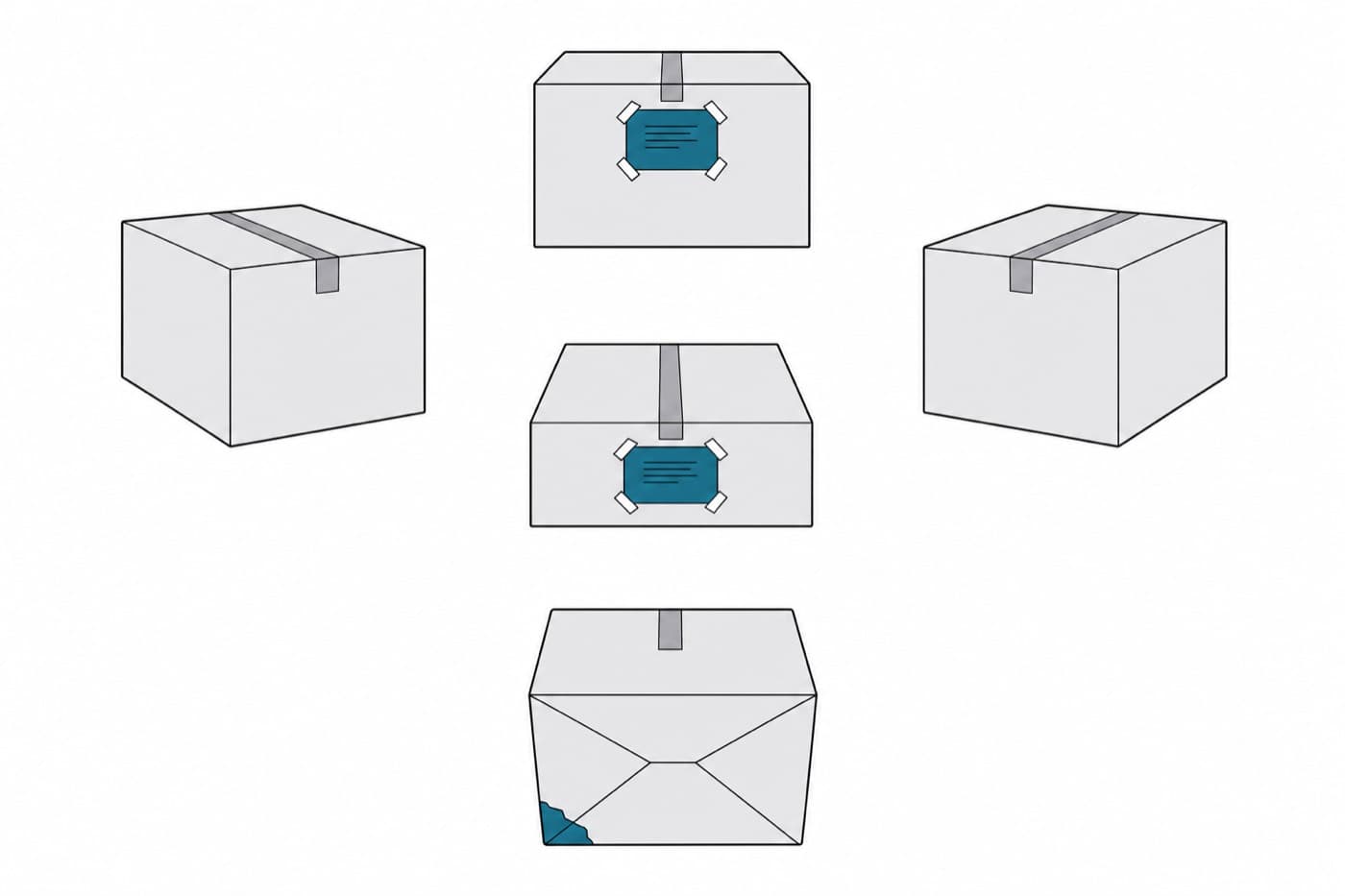
What actually decides it
In practice, one question: does the outer packaging show something consistent with what happened inside. A carton with a crushed corner and a fractured casting under that corner is a strong claim even with a clean signature. A pristine carton with a broken casting inside is a weak carrier claim and a much better conversation with the supplier about how it was packed.
Worth knowing
That second case is worth recognising early, because people spend weeks arguing with a carrier about damage the carrier did not cause. If the box is perfect and the contents are not, the packing is the problem and the supplier is the counterparty.
Reducing how often it happens
- Open anything fragile or high value on the day it arrives, even if it is not needed for weeks.
- Note “received unchecked, subject to count and inspection” when you genuinely cannot check at the bay. It does not create a claim, but it stops a clean signature closing one.
- Photograph every delivery as it stands on the vehicle or the floor, before it is broken down. Thirty seconds, and it is the photograph you will wish you had.
- Tell suppliers when packaging fails repeatedly. Most will change it, because the claims cost them too.
This describes how the rules generally work in the United States and links to the primary sources so you can read them yourself. It is not legal advice, and your contract with a supplier or carrier can change any of it. For money that matters, ask a lawyer.
The letter itself is in the claim letter template, and the wider deadlines in freight damage claim deadlines.
Questions people ask
- How long do I have to report concealed damage?
- Check the carrier's tariff and bill of lading, because that is what sets it. Periods of five to fifteen days after delivery are common. Unlike the nine month minimum for filing a claim generally, there is no federal floor protecting a concealed damage notice, so the contract governs and it is short.
- Can I still claim if I signed clean?
- Yes, but the burden is on you to show the damage happened while the carrier had the goods. A clean delivery receipt is evidence against you rather than a bar, and the outer packaging usually decides it. If the box shows a crush or puncture matching the damage inside, you have a case; if it is pristine, you have a problem.
- Should I keep the packaging?
- Always, until the claim is closed. In a concealed damage case the packaging is the evidence: it is what shows whether the impact happened in transit or before the goods were ever packed. Flattening the carton before photographing it ends most claims on the spot.
- What if the goods were damaged before the carrier collected them?
- Then it is a supplier matter rather than a carrier one, governed by your purchase contract and the UCC rather than by freight rules. The packaging tells you which: undamaged outer carton with broken contents points at packing or at a pre-existing defect.
- Does opening a carton late count against me?
- It can. Carriers argue that a delay between delivery and discovery is a delay during which the damage could have happened on your premises. Opening high-value or fragile freight on the day it arrives is the cheapest possible insurance against that argument.
Sources
- 0149 CFR § 370.3: Filing of claims · Electronic Code of Federal Regulations
- 0249 U.S.C. § 14706: Carrier liability and minimum claim periods · Cornell Legal Information InstituteSets the nine month minimum for filing a claim generally. It does not create a separate protection for concealed damage, which is why the tariff period governs in practice.
DockCount does this job on a phone at the bay: count a delivery against the order it was placed on, photograph anything wrong, and the record writes itself. What receiving software costs, and the free tier.