FOB origin or destination: who owns the pallet while it is on the truck
Freight terms decide who carries the risk in transit and therefore who claims when a load arrives smashed. The difference is three words on a purchase order.
In short
- Two different questions get answered by freight terms, and people routinely answer only one. Who bears the risk, and who pays the carrier.
- If the pallet arrives smashed and you bought FOB origin, it is your loss and your claim. Your supplier is under no obligation to help.
- For a small buyer, FOB destination is usually worth paying for. The claim handling alone costs more than the freight difference.
Three words on a purchase order decide who absorbs the cost when a load arrives damaged, and they are usually copied from the last order without anybody deciding anything.
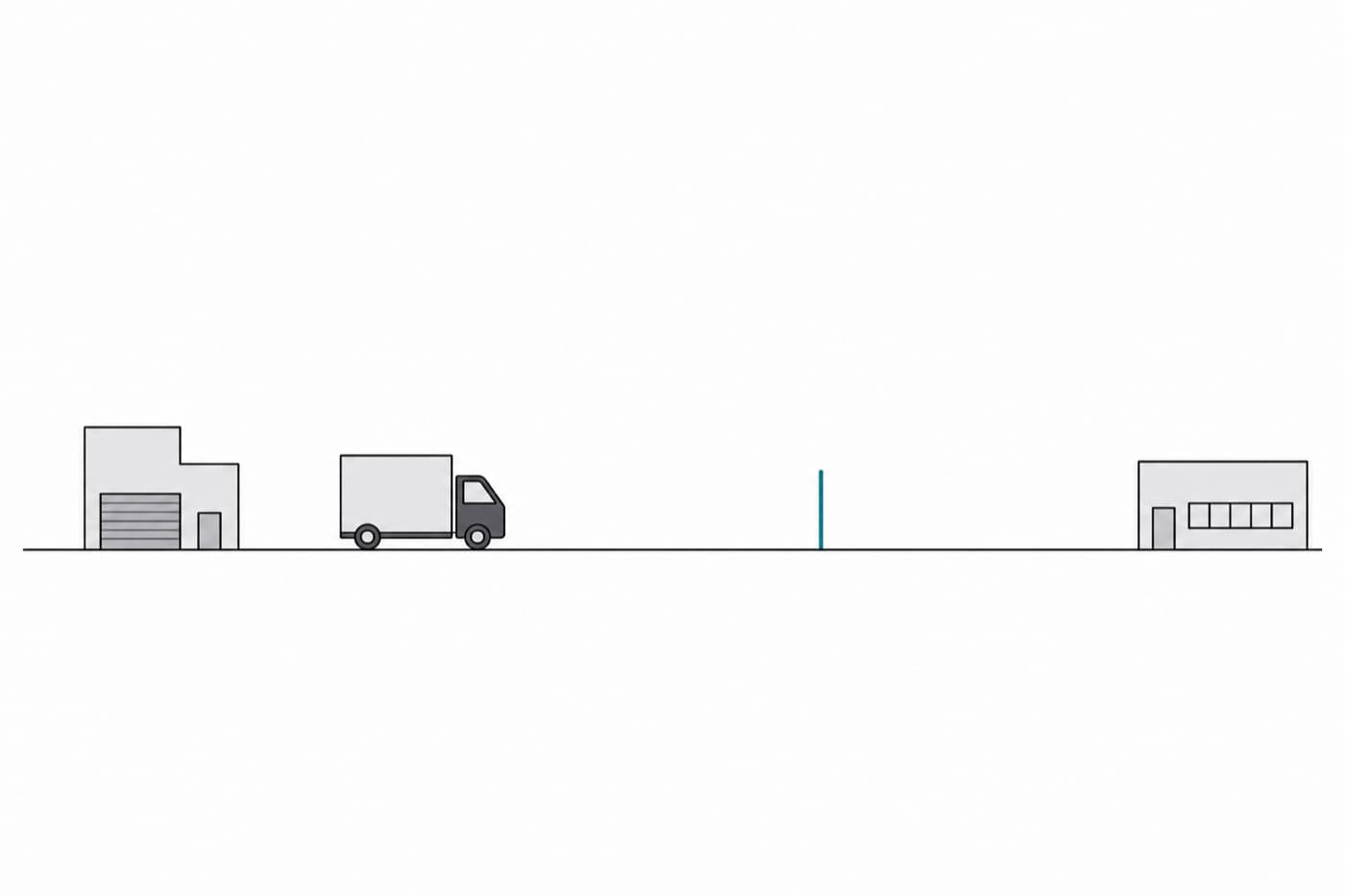
The two questions, separated
| Question | Answered by | Options |
|---|---|---|
| Who bears the risk in transit? | Origin or destination | FOB origin: buyer, from the seller's dock. FOB destination: seller, until it arrives. |
| Who pays the freight bill? | Prepaid or collect | Prepaid: seller pays the carrier. Collect: buyer pays. |
These combine freely, which is why the terms confuse people. FOB origin, freight prepaid is completely normal and means the supplier pays for the truck while you carry the risk of what is on it. Reading only the word “prepaid” and concluding the supplier is responsible is the mistake that gets made.
What it means at the bay
| Situation | FOB origin | FOB destination |
|---|---|---|
| Pallet arrives crushed | Your loss. You file against the carrier. | Seller's problem. They redeliver or credit, and they claim. |
| Load never arrives | You chase the carrier. | The seller has not delivered. They owe you the goods. |
| You want to refuse the load | Refusing does not undo the risk transfer. Take it, note the exception, claim. | Refusing damaged goods is straightforward: they were never properly delivered. |
| Who books the truck | Often you, which is the one real advantage: you choose the carrier and the service. | The seller, who is then motivated to choose one that does not break things. |
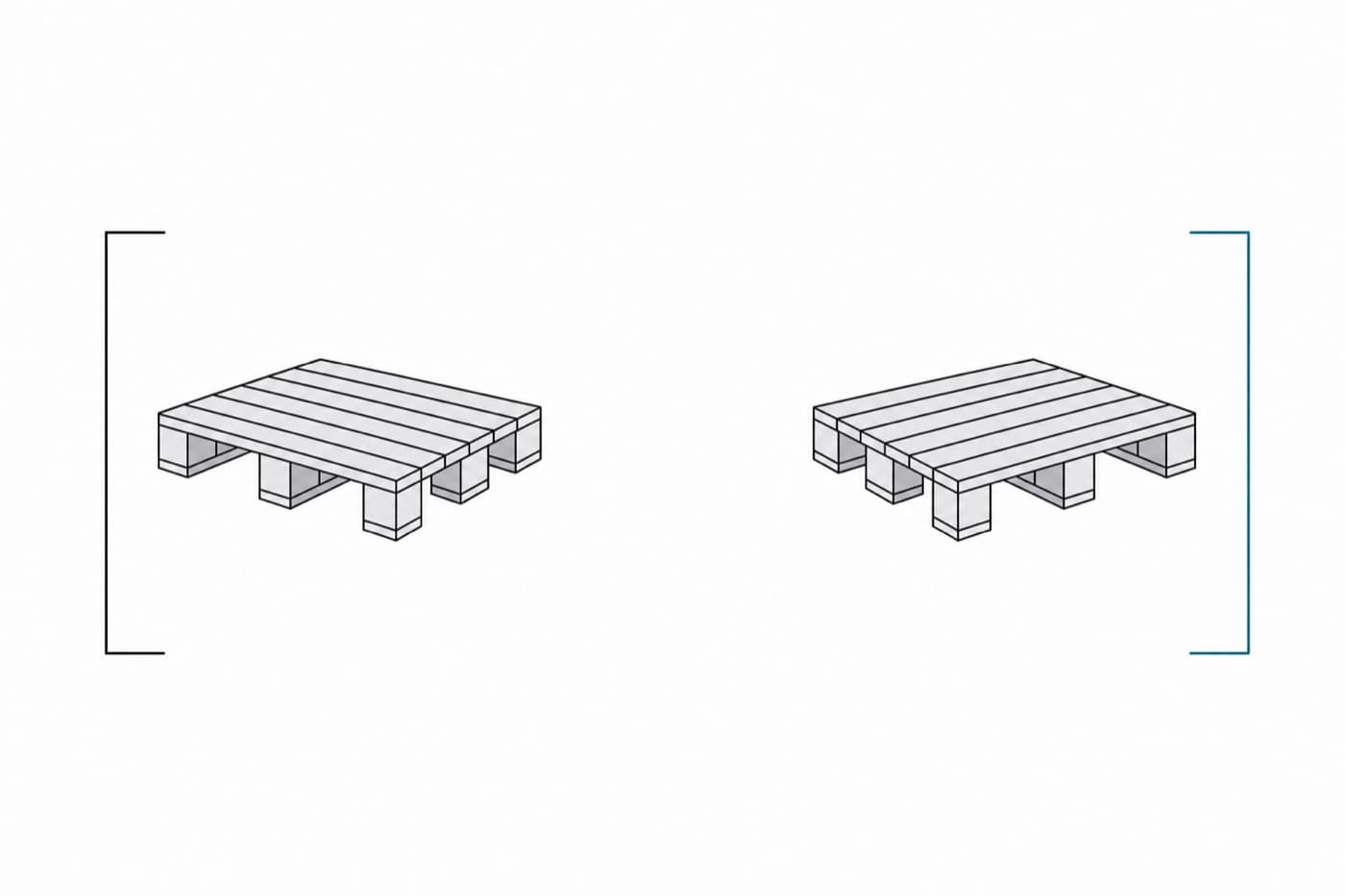
What to actually write on the order
Ambiguity here is expensive and avoidable. Do not write “FOB” on its own, which means almost nothing. Write where risk passes and who pays, in that order:
Put another way
FOB destination, freight prepaid and allowed. Title and risk of loss pass on delivery to the ship-to address stated above.
Worth knowing
For anything crossing a border, do not use domestic FOB habits. Name the Incoterms rule and its year explicitly: the rules define delivery points and obligations precisely, and Incoterms FOB is a sea freight term that means something different from the way FOB is used on a domestic truck.
The practical recommendation
At small volumes, buy FOB destination where you can. Not because the risk allocation is unfair otherwise, but because running a freight claim is a job: photographs, deadlines, tariff limits, a carrier that answers slowly. A supplier shipping fifty loads a week has a claims process and a relationship with the carrier. You have neither, and the cost of the difference is usually smaller than one claim you handle badly.
This describes how the rules generally work in the United States and links to the primary sources so you can read them yourself. It is not legal advice, and your contract with a supplier or carrier can change any of it. For money that matters, ask a lawyer.
If the answer is that the claim is yours, start with the deadlines and then the letter.
Questions people ask
- What does FOB origin mean?
- Title and risk pass to the buyer at the seller's dock, when the goods are given to the carrier. From that moment the goods are yours in transit, so if they arrive damaged the loss is yours and the claim against the carrier is yours to file.
- What does FOB destination mean?
- The seller keeps title and risk until the goods are delivered to you. A load that arrives damaged has not been properly delivered, which makes it the seller's problem to resolve and the seller's claim to file against the carrier.
- Is FOB the same as who pays for shipping?
- No, and this is the most common confusion in the whole subject. Risk is set by origin or destination; payment is set by prepaid or collect. FOB origin, freight prepaid is perfectly normal: the seller pays the carrier, but the goods are at your risk from the moment they are loaded.
- Which is better for a small buyer?
- FOB destination, almost always. It puts the risk and the claim handling on the party who chose and booked the carrier, and it means a damaged arrival becomes a redelivery rather than a claim you have to run yourself. It is usually priced into the goods, which is normally worth it at small volumes.
- Do Incoterms apply to domestic US shipments?
- They can be used, but domestic US practice usually means something looser by FOB than the Incoterms rules do, and Incoterms FOB is a sea and inland waterway term in the first place. For international purchases name the Incoterms rule and its year explicitly; for domestic ones say plainly where title and risk pass.
Sources
- 01UCC § 2-319. F.O.B. and F.A.S. Terms · Cornell Legal Information Institute
- 02UCC § 2-509. Risk of Loss in the Absence of Breach · Cornell Legal Information InstituteWhere risk sits when goods are shipped by carrier, which is the question freight terms are really answering.
- 03Incoterms rules · International Chamber of CommerceFor international purchases. Incoterms and domestic US FOB usage are not the same thing, and using one word to mean the other is a common and expensive mistake.
DockCount does this job on a phone at the bay: count a delivery against the order it was placed on, photograph anything wrong, and the record writes itself. What receiving software costs, and the free tier.