Goods Received Note (GRN): What It Is, and a Free Template
What a goods received note is, what GRN stands for, how it differs from a delivery note, and a free printable GRN with the four fields auditors check.
What is a goods received note
A goods received note (GRN) is the buyer’s own record of a delivery: the supplier, the date, the purchase order it was against, each item with the quantity ordered and the quantity actually received, the condition it arrived in, and who checked it. Finance uses it to decide whether a supplier invoice gets paid.
In short
- A goods received note is your record, written by you. A packing slip is the supplier’s record, written by them. Copying the second onto the first defeats the entire purpose.
- The four fields that get checked in an audit: what was ordered, what was received, what condition it was in, and who says so.
- A GRN with a quantity but no condition field cannot support a damage claim later, and damage is the expensive kind of problem.
A goods received note: GRN, goods receipt note, receiving report, the trade cannot agree on a name: exists so that three people who were not standing at the bay can agree on what arrived. Purchasing needs it to decide whether to chase. Accounts needs it before releasing an invoice. An auditor needs it to believe either of them.
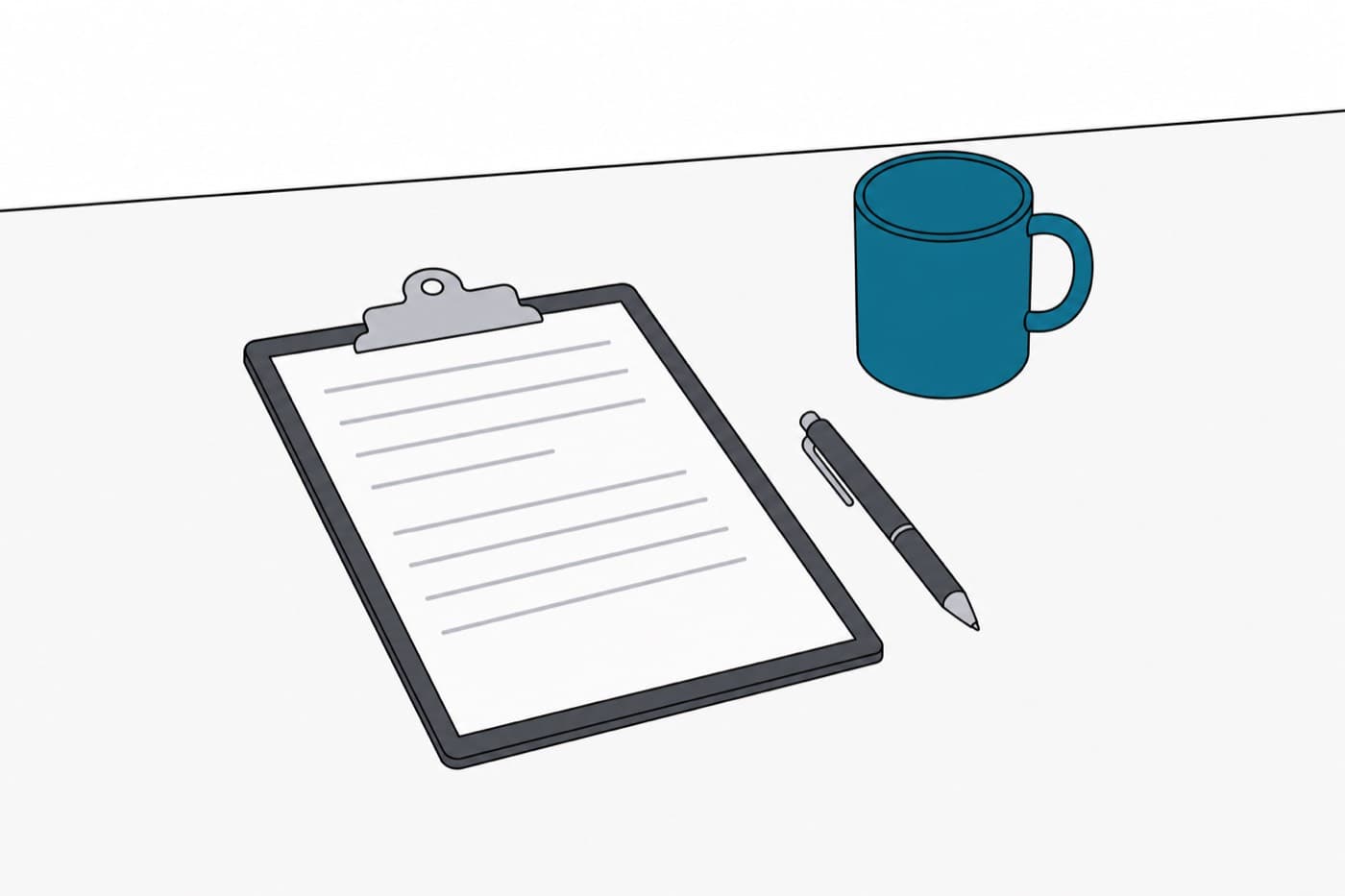
Goods received note
One per delivery. File it against the purchase order.
GRN no.
Date and time received
Supplier
Purchase order no.
Carrier
Delivery note / packing slip no.
Received at (dock, site)
Cartons / pallets received
| Item / SKU | Description | Qty ordered | Qty received | Condition | Variance |
|---|---|---|---|---|---|
Damage, shortage or exception noted on carrier paperwork? (Y/N)
Checked by (print name)
Signature
Notes
The four fields that carry the weight
- 1What was ordered. The purchase order number and the ordered quantity, taken from your order rather than from the supplier’s paperwork. If those two numbers came from the same place, the document proves nothing.
- 2What was received. Your count. Not the packing slip figure, and not the packing slip figure with a tick beside it.
- 3What condition it was in. The field people skip, and the one that decides whether a claim survives. “Two cartons water stained, photographed” written at the bay is worth more than a memory of it three weeks later.
- 4Who says so. A named person, not a department. ISO 9001 talks about retaining evidence of who authorised release; in practice a name is also what stops a disputed delivery becoming a conversation about which of four people might have signed.
Why finance keeps asking for it
An invoice gets checked against two other documents before it is paid: the order, and the record of receipt. That is three-way matching, and the GRN is the middle one. Without it, the check collapses to comparing the invoice against the order, which cannot catch a supplier billing for goods that never arrived.
There is a second reason, quieter but just as real. Goods that have arrived and not yet been invoiced are money your books owe. Accounts can only record that if somebody logged the arrival.
What an auditor is actually testing
Not your handwriting. They pick an invoice, and they follow it backwards: does a purchase order exist, does a receiving record exist, do the three quantities agree, and if they do not, is there a note explaining why and somebody who approved it. The GRN is the leg of that match most small companies cannot produce on demand.
Put another way
If you keep nothing else, keep the GRN and keep it findable by purchase order number and by date. Those are the two ways somebody will come looking, months apart, for different reasons.
Variance, and why it gets its own column
A blank variance column on ten lines is a delivery that matched. One number in it is the only thing anybody needs to read. Merging it into a notes field means somebody has to read ten rows of prose to find out whether there is a problem, which means, in practice, that nobody reads it.
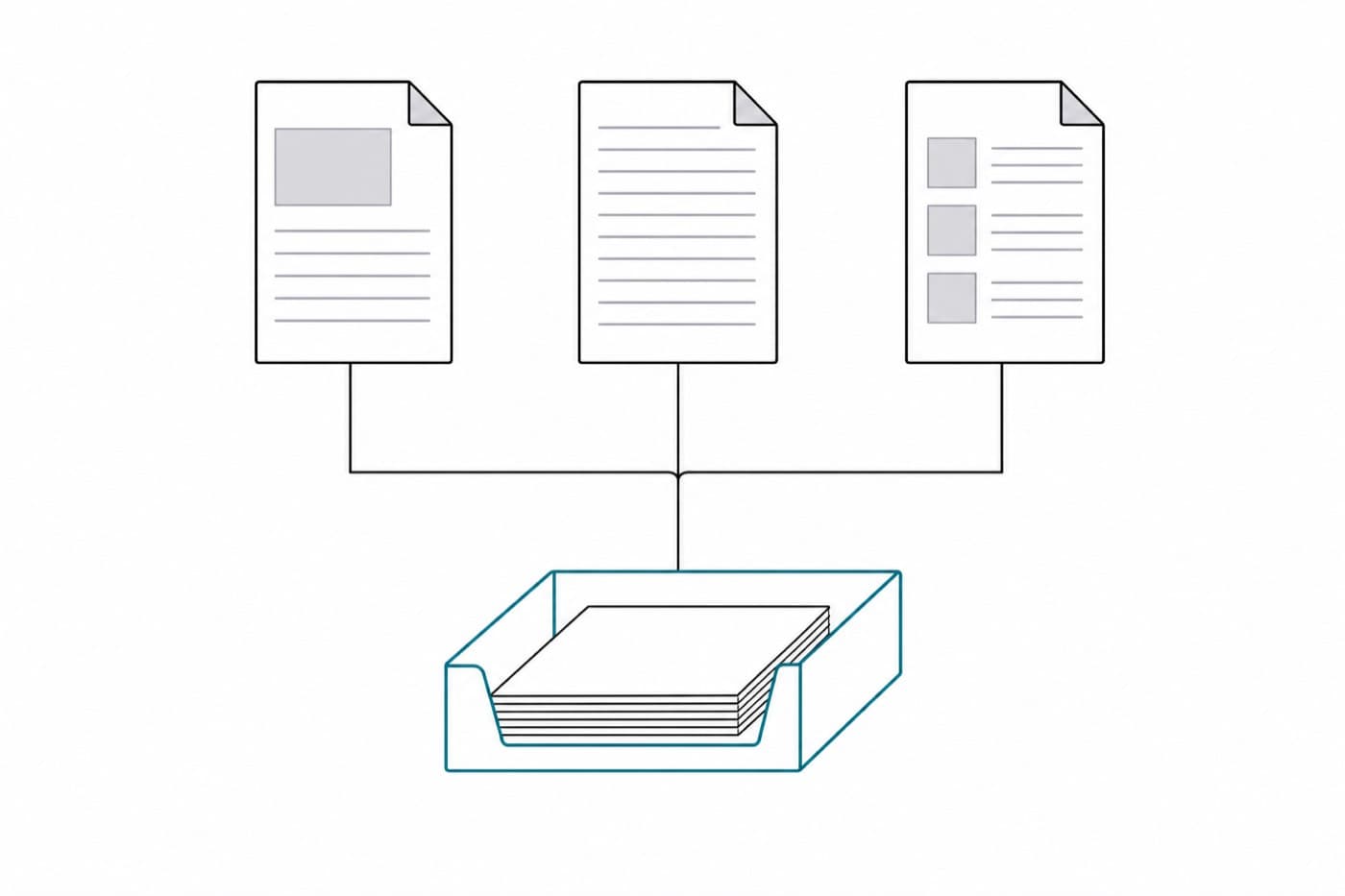
Goods received note vs delivery note
The delivery note (a packing slip, in US usage) arrives with the goods and is written by the supplier. The GRN is written by you after you have checked them. The two often carry the same columns, which is why they get confused, and why signing the delivery note gets mistaken for keeping a GRN. In US accounting the GRN is usually called a receiving report; it is the same document.
Paper, spreadsheet or system
| How it is kept | Holds up when | Falls over when |
|---|---|---|
| Signed delivery note in a folder | Nothing goes wrong and nobody asks | You need to find one delivery from four months ago |
| Shared spreadsheet | One person keeps it and keeps it well | Two people receive at once, or that person is on holiday |
| A receiving system | Several people receive, and the record has to be searchable | Nobody uses it because it takes longer than the clipboard |
The last row is the real test. A GRN that is slower to produce than the problem it prevents will quietly stop being produced.
What the four kinds of variance mean and who to tell: the four ways a delivery goes wrong.
Questions people ask
- What does GRN stand for?
- Goods received note. Some companies say goods receipt note, and in US accounting the same document is usually called a receiving report. All three name the buyer's own record of what arrived.
- What is the difference between a goods received note and a delivery note?
- Who writes it. A delivery note comes from the supplier with the goods and says what they believe they sent. A goods received note is written by you after checking the delivery, and says what actually arrived and in what condition. Signing the delivery note is not the same as making a GRN.
Sources
- 01ISO 9001:2015, clause 8.4: control of externally provided processes, products and services · International Organization for StandardizationThe standard is paywalled. Clause 8.4.2 asks you to define the verification you apply to what a supplier provides; 8.6 asks you to retain evidence of conformity and of who authorised release.
DockCount does this job on a phone at the bay: count a delivery against the order it was placed on, photograph anything wrong, and the record writes itself. Warehouse receiving software that writes the GRN as you count. Every plan, free included, matches each delivery against its PO and flags short, over and damaged lines; damage photos start on Starter, and reading the slip from a photo and a summary emailed to purchasing start on Business. What each plan includes, from free.