The four ways a delivery goes wrong
Short, over, damaged and not on the order. Four different problems, four different people to tell, and one habit that fixes all of them.
The short answer
A delivery can be wrong in four ways: less arrived than ordered, more arrived than ordered, some of it arrived broken, or something arrived that was never ordered. Each one goes to a different person and has a different remedy, so recording which of the four it is matters more than recording that something was wrong.
Written by Hamza Rivera, founder, dockcount. How these are checked.
“There was a problem with the delivery” is not a useful sentence. Four quite different things hide inside it, and they are resolved by different people in different ways.
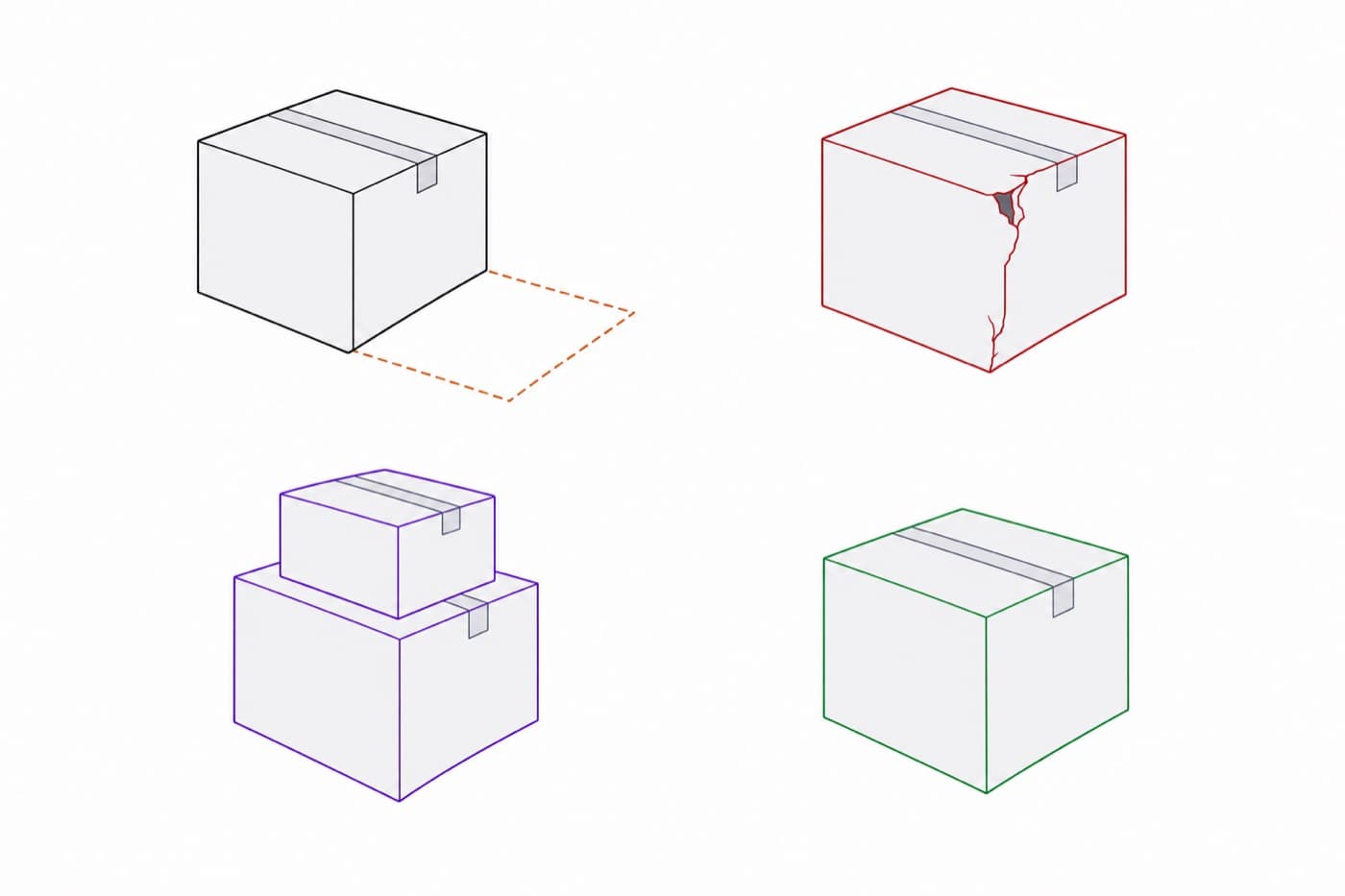
| What happened | Who needs to know | What they do about it |
|---|---|---|
| Short: less arrived than ordered | Purchasing, then accounts | Chase the balance or close the order, and pay only for what came |
| Over: more arrived than ordered | Purchasing | Keep and pay, or arrange a return. Somebody has to choose |
| Damaged: it arrived broken | The supplier or the carrier, quickly | Claim, replace or credit, on a clock that is usually days |
| Not on the order: it was never asked for | Purchasing | Find out whose it is. Sometimes it is another company's |
Short
The most common and the least dramatic. The important thing is whether it is a back order, which means the balance is still coming, or a short-close, which means it is not. Those look identical on the day and are completely different a month later.
Over
Easy to wave through, and worth not waving through. Extra stock that was never ordered still takes space, may still be invoiced, and is occasionally somebody else’s delivery put on your pallet by mistake.
Damaged
The only one of the four with a deadline attached. See what to do before you sign, because most of what determines whether a claim succeeds happens in the two minutes before the driver leaves.
Not on the order
A part nobody asked for is a question, not a gift. It may be a substitution the supplier made without telling you, a line from a different order, or freight for a different customer. Quietly putting it on the shelf turns all three into the same untraceable mess.
Worth knowing
Recording “damaged” against a line without a separate damaged quantity leaves everybody guessing whether one of forty was crushed or all forty were. It is the difference between a note and a claim.
The habit that fixes all four
Record the difference at the moment you find it, as a number, against the line it belongs to, with your name on it. Every remedy above depends on somebody being able to say exactly what arrived and exactly when. None of them depends on the person at the bay knowing what to do next.
DockCount does this job on a phone at the bay: count a delivery against the order it was placed on, photograph anything wrong, and the record writes itself. The discrepancy report purchasing gets.