What a goods received note is, and what it must contain
The document that records what actually arrived. It is what lets finance pay an invoice, and it is usually the weakest piece of paper in the building.
The short answer
A goods received note is your own record of a delivery: the supplier, the date, the order it was against, each item with the quantity ordered and the quantity actually received, the condition it arrived in, and who checked it. Finance uses it to decide whether a supplier invoice gets paid.
Written by Hamza Rivera, founder, dockcount. How these are checked.
A goods received note, usually shortened to GRN, is the receiver’s account of a delivery. It is the only document in the chain written by somebody who looked at the goods, and it is the one finance leans on when an invoice arrives weeks later.
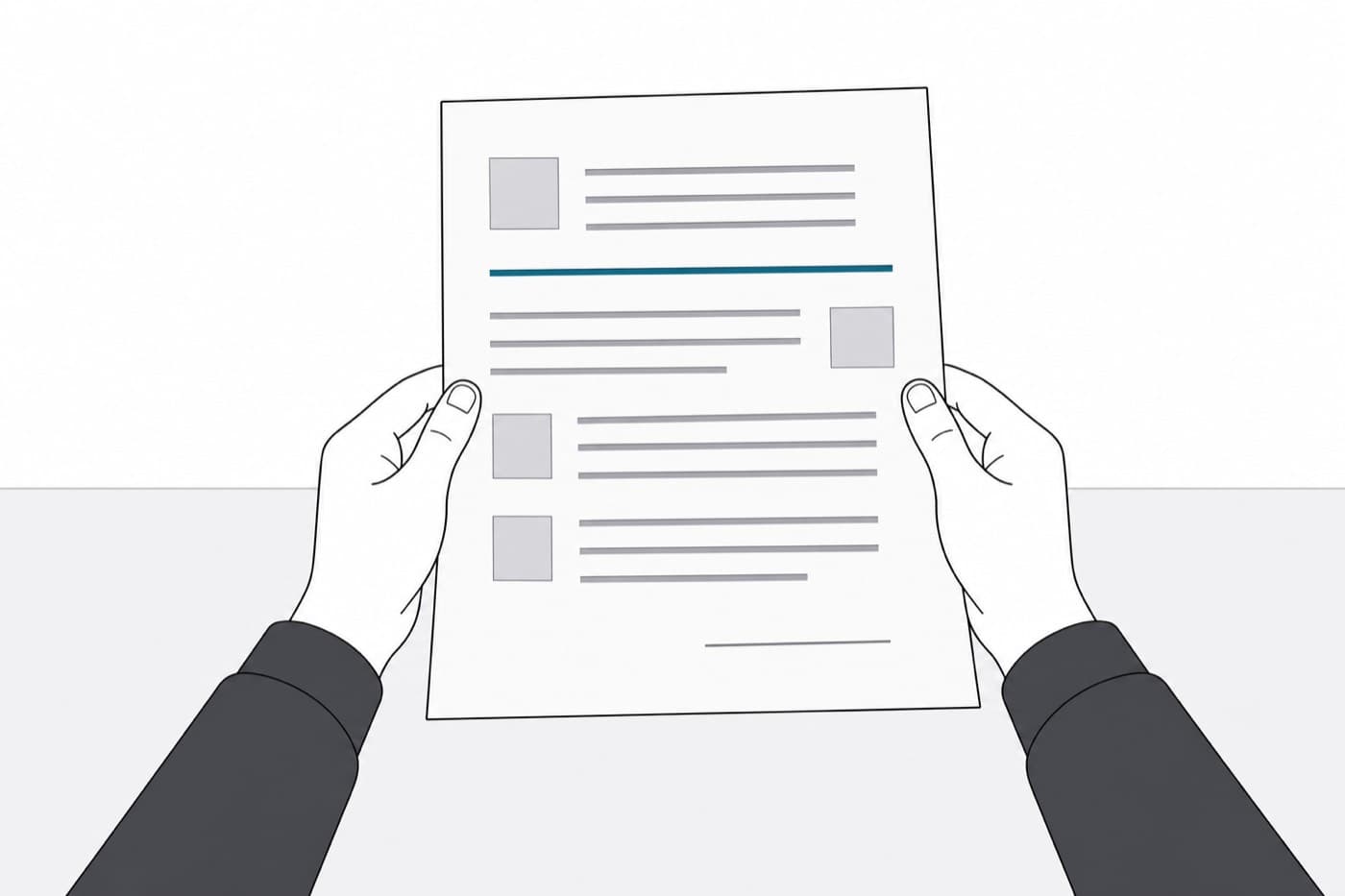
It is also, in most small companies, a signature on a delivery note and a note in somebody’s head. That works until the day it does not.
What has to be on it
A GRN is doing three jobs at once: it proves goods arrived, it says what state they were in, and it names somebody who was there. Anything that serves those three is worth recording.
- The supplier, and the purchase order it was delivered against.
- The date and time it arrived. Not the date somebody typed it up.
- Every line: the part number, the quantity ordered and the quantity actually received.
- The condition of each line, including how many were damaged rather than only whether any were.
- Anything that turned up which was not on the order at all.
- Who received it, by name.
- Photographs of anything you would want to show a supplier later.
Worth knowing
Quantity ordered and quantity received have to be two separate numbers. A GRN that records only what arrived cannot show a shortage, because there is nothing on it to be short against.
Why finance keeps asking for it
An invoice gets checked against two other documents before it is paid: the order, and the record of receipt. That is three-way matching, and the GRN is the middle one. Without it, the check collapses to comparing the invoice against the order, which cannot catch a supplier billing for goods that never arrived.
There is a second reason, quieter but just as real. Goods that have arrived and not yet been invoiced are money your books owe. Accounts can only record that if somebody logged the arrival.
Paper, spreadsheet or system
| How it is kept | Holds up when | Falls over when |
|---|---|---|
| Signed delivery note in a folder | Nothing goes wrong and nobody asks | You need to find one delivery from four months ago |
| Shared spreadsheet | One person keeps it and keeps it well | Two people receive at once, or that person is on holiday |
| A receiving system | Several people receive, and the record has to be searchable | Nobody uses it because it takes longer than the clipboard |
The last row is the real test. A GRN that is slower to produce than the problem it prevents will quietly stop being produced.
DockCount does this job on a phone at the bay: count a delivery against the order it was placed on, photograph anything wrong, and the record writes itself. The receiving report it writes for you.