Over shipments: the problem that looks like a bonus
More arrived than you ordered. It is easier to wave through than a shortage, and that is exactly why it is worth stopping for.
The short answer
An over shipment is a delivery containing more than the order specified. Record the actual quantity, then have purchasing decide whether to keep and pay for the excess or return it. Unrecorded overages get invoiced, take space, and occasionally turn out to be another company's goods.
Written by Hamza Rivera, founder, dockcount. How these are checked.
Nobody complains about extra. That is the whole problem. A shortage gets chased because somebody is missing something they need; an overage gets put on a shelf.
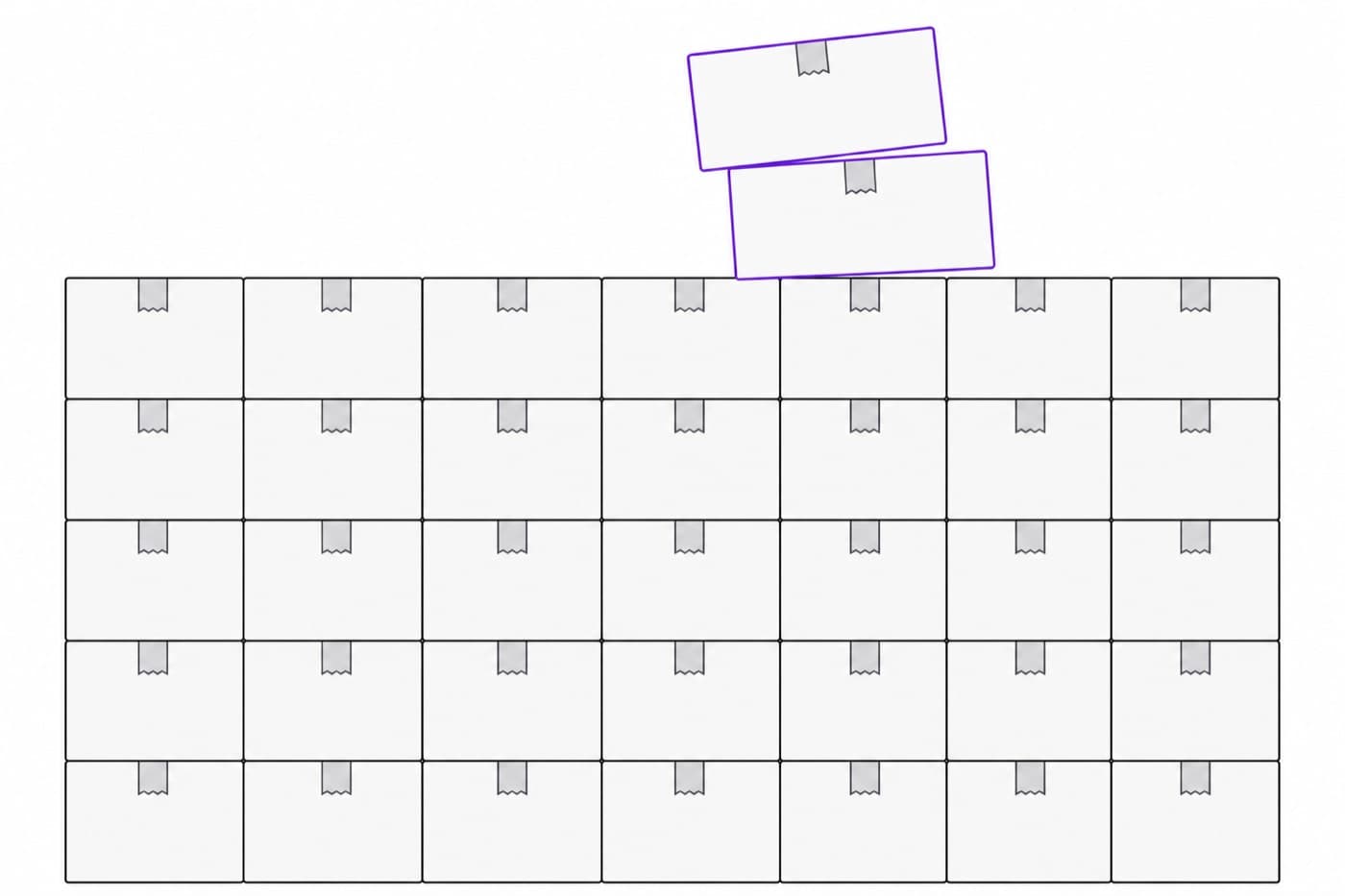
Why it costs money anyway
- It usually gets invoiced. Suppliers bill what they shipped, and an unchallenged overage is an unchallenged invoice.
- It takes space you were not planning to use, and on some goods it expires before you get to it.
- It hides a real error. Somebody picked from the wrong line, and if nobody says so it will happen again.
- Occasionally it is not yours at all, and the company that is short is currently on the phone to their supplier.
Put another way
A delivery of twelve when you ordered ten feels like two free. It is two you did not budget for, two you will be billed for, and two that came off somebody else’s order.
Tolerances
Some goods cannot be delivered exactly. Cut lengths, weighed goods and anything made to a batch size will always land near the number rather than on it. That is what a tolerance is for: an agreed amount either side that nobody has to act on.
Worth knowing
A tolerance is an agreement with a supplier, not a habit of ignoring small differences. If it is not written on the order, an overage is an overage.
What to do with it
- 1Record the real number. Not the ordered number. The record has to show what is actually in the building.
- 2Tell purchasing the same day. They decide keep or return, and returns usually need the supplier’s authorisation first.
- 3Check the part number before you assume it is extra. Two similar parts and one wrong pick reads as an overage on one line and a shortage on another.
DockCount does this job on a phone at the bay: count a delivery against the order it was placed on, photograph anything wrong, and the record writes itself. How an over-delivery reads on the receiving report.