Purchase order template, and the clause that decides whose terms win
A free printable purchase order, plus why the terms printed on the back of it matter more than anything on the front.
In short
- The front of a purchase order says what you are buying. The back decides what happens when it goes wrong, and almost nobody reads it.
- Unit of measure is the field that causes the most expensive confusion. Write “40 each” or “4 cases of 10”, never just “40”.
- One line on the form, acceptance limited to these terms, is worth more than the rest of the document in a dispute.
A purchase order is not paperwork. It is the offer that becomes the contract, and every argument you will ever have with a supplier gets settled by reading it against what turned up. That is worth thirty seconds of care when you raise it.
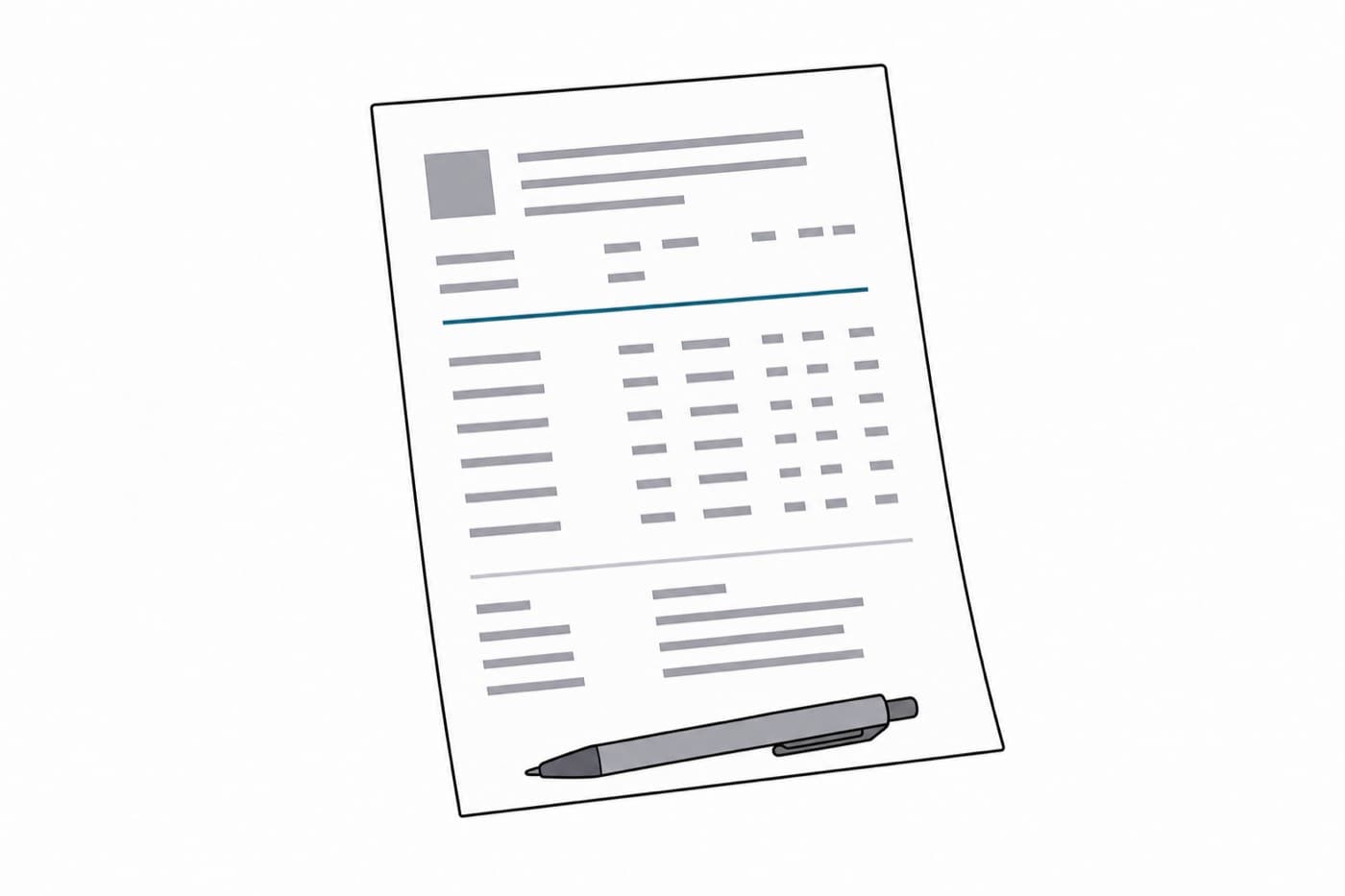
Purchase order
Raise it before the goods move, not after.
PO number
Date raised
Supplier
Supplier contact
Bill to
Ship to (full address and dock)
Required delivery date
Freight terms (who pays, who owns in transit)
Payment terms
Raised by
| Line | Part / SKU | Description | Qty | Unit of measure | Unit price | Required date |
|---|---|---|---|---|---|---|
Special instructions (packaging, marking, delivery window)
Authorised by
Signature and date
Acceptance of this order is expressly limited to the terms stated on it. Delivery of the goods constitutes acceptance. Any additional or different terms proposed by the seller are objected to and rejected.
The fields that earn their space
| Field | What it prevents |
|---|---|
| Unit of measure, on every line | The single most common false shortage. A line reading 40 with no unit is a line that will be delivered as four cases of ten and reported as thirty six short. |
| Ship to, including the dock | A pallet delivered to the front office of a building with three entrances. Name the door. |
| Required date, per line | Turns a part shipment into an expected event rather than a surprise. If line 3 is needed in October and the rest in June, say so and you will get a planned split. |
| Freight terms | Decides who owns the goods while they are on the truck, and therefore who claims when they arrive smashed. The full version is in the freight terms post below. |
| Authorised by | Somebody has committed the company to spending this money. A name is what makes that traceable, and it is the first thing an auditor looks for. |
The clause on the back
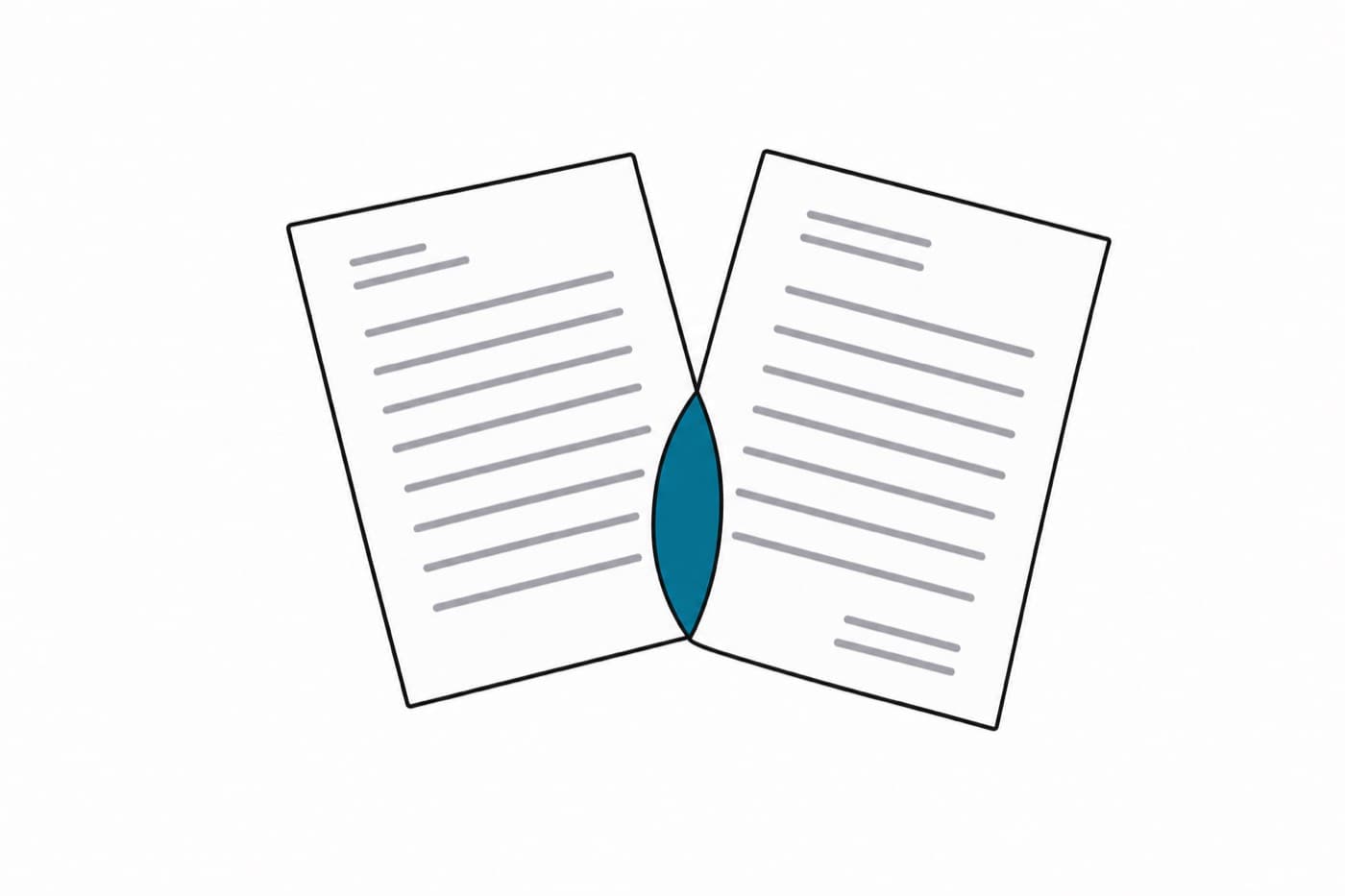
Your order says one thing. The acknowledgement the supplier emails back says something slightly different: their limitation of liability, their delivery window, their returns policy. Both parties then behave as though a contract exists, because one does. Which set of terms it contains is decided by UCC 2-207, not by whoever wrote last.
Between merchants, additional terms in the acceptance can slide into the contract unless one of three things is true: your offer expressly limited acceptance to its own terms, the new terms materially alter the deal, or you object within a reasonable time. Only the first of those is under your control in advance, and it takes one sentence.
Put another way
Acceptance of this order is expressly limited to the terms stated on it. Any additional or different terms proposed by the seller are objected to and rejected.
Worth knowing
This is not a magic sentence, and a supplier with a lawyer will have their own. What it does is stop the default from quietly running in their favour while you were not looking, which is what happens when your order is silent.
Numbering, so the number is useful
- 1Sequential, never reused. A reused number makes two different deliveries look like the same one for as long as the records survive.
- 2Same number everywhere. On the order, on the acknowledgement, on the packing slip, on the receiving record, on the invoice. The number is the thread that runs through the whole chain, and three-way matching is impossible without it.
- 3Ask suppliers to quote it. One line in an email, once, and every future pallet arrives labelled with the thing your receiver needs most.
This describes how the rules generally work in the United States and links to the primary sources so you can read them yourself. It is not legal advice, and your contract with a supplier or carrier can change any of it. For money that matters, ask a lawyer.
Questions people ask
- Does a purchase order have to be signed?
- For a contract for the sale of goods at $500 or more, the UCC statute of frauds generally requires a writing signed by the party you are trying to hold to it. Between merchants a written confirmation that goes unobjected to for ten days can satisfy that requirement, which is why suppliers send acknowledgements. In practice a signed or emailed and accepted purchase order removes the argument entirely.
- What is the difference between a purchase order and an invoice?
- A purchase order is your offer to buy, raised before the goods move. An invoice is the supplier's demand for payment, raised after. The purchase order says what you agreed to buy and at what price; the invoice says what they want paying for. When the two disagree, the receiving record is what settles it.
- Can a supplier change the terms on my purchase order?
- They can try, and their acknowledgement often does. Under UCC 2-207 additional terms between merchants can become part of the contract unless your order expressly limits acceptance to its own terms, they materially alter it, or you object in reasonable time. The practical defence is a line on the order saying acceptance is limited to these terms.
- What is a blanket purchase order?
- One order covering repeated deliveries of the same goods over a period, released in call-offs rather than shipped at once. It saves raising a new order every time, but it makes receiving harder: every delivery has to be matched against the remaining balance rather than against a single expected quantity.
- Do I need a purchase order number on the packing slip?
- You do not need one, and you will regret not having one. Without it the person at the bay has to guess which open order a pallet belongs to, and a delivery booked against the wrong order is harder to unpick than a delivery not booked at all.
Sources
- 01UCC § 2-201. Formal Requirements; Statute of Frauds · Cornell Legal Information InstituteContracts for the sale of goods at $500 or more generally need a writing signed by the party being held to it.
- 02UCC § 2-207. Additional Terms in Acceptance or Confirmation · Cornell Legal Information InstituteThe battle of the forms. Where your purchase order and their acknowledgement conflict, this decides what survives.
DockCount does this job on a phone at the bay: count a delivery against the order it was placed on, photograph anything wrong, and the record writes itself. What receiving software costs, and the free tier.