Proof of delivery: what a clean POD costs you, and when to refuse one
A clean proof of delivery is the carrier's best defence and your worst document. Here is what the difference is worth and how to note an exception properly.
In short
- A clean POD is not neutral. It is affirmative evidence that the freight looked fine when it arrived, produced by you, and handed to the party you might later claim against.
- Writing an exception costs about twenty seconds. Overturning a clean POD costs weeks and usually fails.
- “Received unchecked, subject to count” is the right answer when the driver genuinely will not wait. It is weaker than a count and far stronger than silence.
The proof of delivery is the last document in the chain and the one people give least thought to, usually because it arrives as a scratched signature on a handheld screen while somebody is holding a pallet truck.
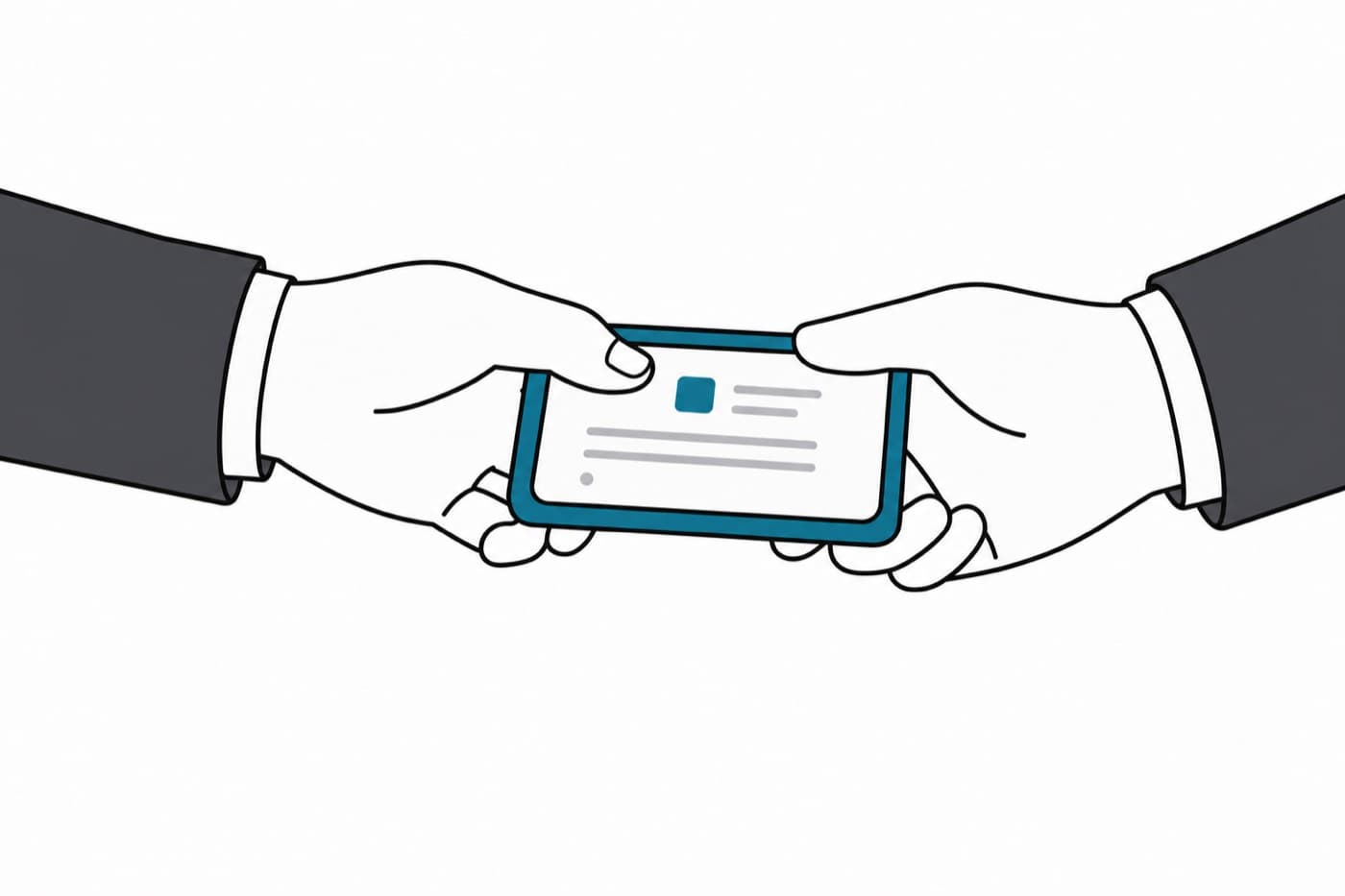
What the two versions are worth
| Clean POD | Claused POD | |
|---|---|---|
| Says | Shipment arrived, no exception noted | Shipment arrived, and here is what was wrong with it |
| Helps | The carrier | You |
| Effect on a visible damage claim | You now have to show the damage happened in transit, against your own signature saying it looked fine | The damage is recorded at delivery, by both parties, at the time |
| Effect on a concealed damage claim | Weak but not hopeless: the packaging becomes the whole case | Stronger, especially if the note says contents were not checked |
| Cost to produce | Nothing | About twenty seconds |
When to refuse to sign clean
- Anything visible is wrong: crushed corners, torn wrap, water marks, a leaning pallet, a broken seal.
- The piece count does not match the paperwork, even by one.
- You have not been given a chance to check, because the driver will not wait.
- The load is not what you expected: wrong supplier, wrong address, wrong goods.
In the third case the wording matters. “Received unchecked, subject to count” records that the count is still open. It does not create a claim, but it stops a clean signature closing one before you have looked.
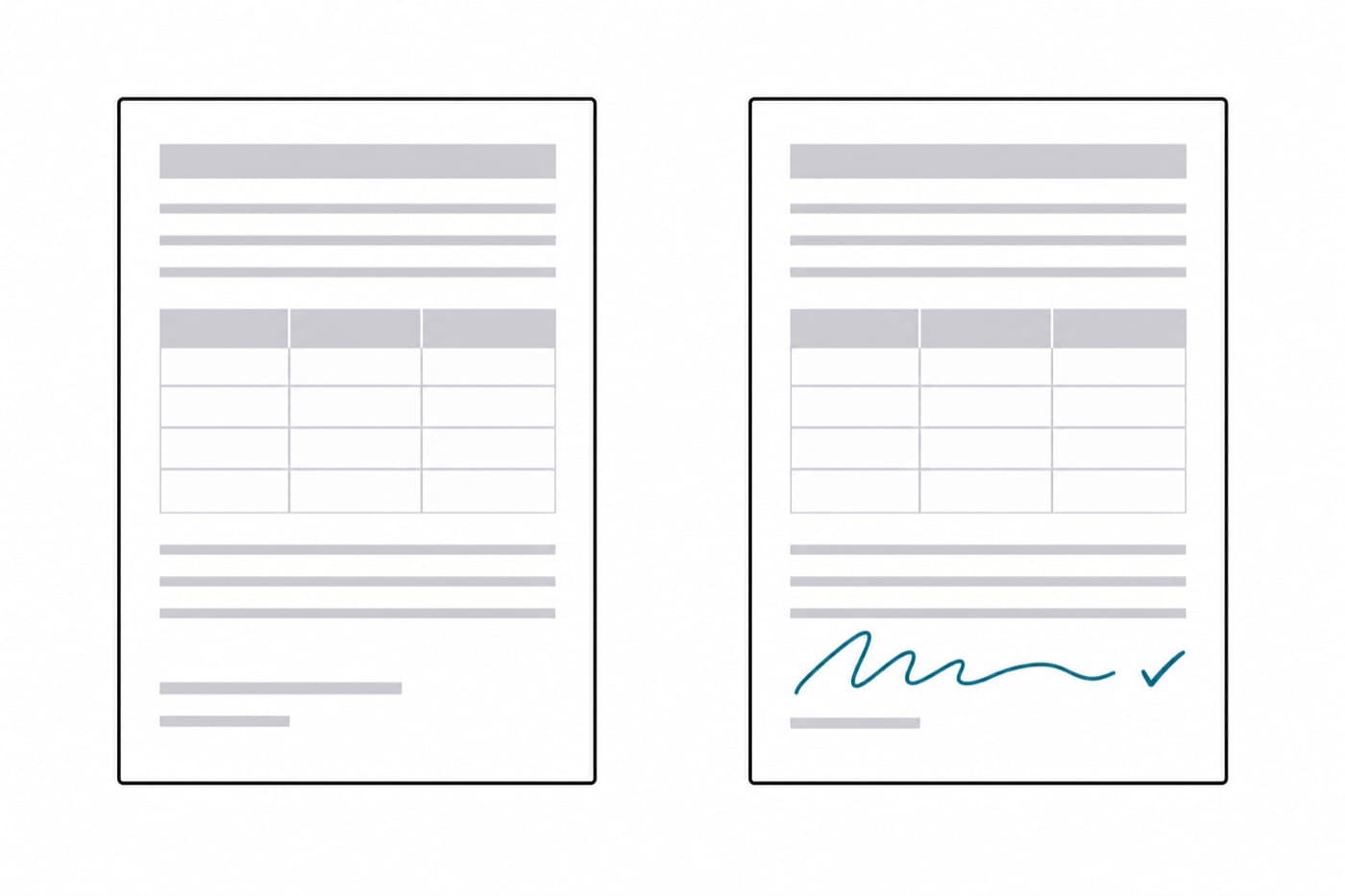
Electronic signatures and what to do about them
Handheld devices vary. Some allow free text, some offer a fixed list of exception codes, and some offer nothing but a signature box. None of that removes your ability to record what you saw. Write the exception on the paper copy if there is one, ask the driver to enter it and watch them do it, and photograph the screen showing the note. A photograph of a device displaying your exception is a perfectly good record.
Worth knowing
If a driver says their system does not allow exceptions, that is a statement about their software, not about your rights. Note it on paper, photograph everything, and email the carrier the same day describing what was refused. That email becomes part of the record.
This describes how the rules generally work in the United States and links to the primary sources so you can read them yourself. It is not legal advice, and your contract with a supplier or carrier can change any of it. For money that matters, ask a lawyer.
The deadlines that start running the moment this document is signed are in freight damage claim deadlines.
Questions people ask
- What does POD stand for?
- Proof of delivery. It is the signed record that a shipment reached the consignee, usually the delivery receipt portion of the bill of lading or a carrier's electronic equivalent captured on a handheld device.
- What is a claused proof of delivery?
- One signed with an exception written on it: a shortage, visible damage, or a note that the contents were not checked. It is the document you want when something is wrong, because it records the problem at the moment of delivery rather than after.
- Does signing a POD mean I accepted the goods?
- Not by itself. Signing the carrier's delivery receipt records that a shipment arrived and in what apparent condition. Accepting goods from your supplier is a separate act governed by your contract and the UCC, and you keep a right to inspect before accepting.
- Can I write on a driver's electronic device?
- Usually yes, and if the device genuinely will not take free text, write the exception on the paper copy, ask the driver to note it, and photograph both. Some devices only offer a tick box, which is not a reason to record nothing.
- How long should I keep proofs of delivery?
- At least as long as the claim window and the records they support. Since a carrier claim can commonly be filed up to nine months out and sued on for two years after a denial, and tax periods run longer, most small companies keep them with the receiving record for seven years.
Sources
- 0149 U.S.C. § 14706: Liability of carriers · Cornell Legal Information Institute
- 0249 CFR Part 370: Processing of loss and damage claims · Electronic Code of Federal Regulations
DockCount does this job on a phone at the bay: count a delivery against the order it was placed on, photograph anything wrong, and the record writes itself. What receiving software costs, and the free tier.