The bill of lading, read from the receiving end
What a bill of lading actually is, the four things on it that matter when a pallet is in front of you, and why writing on it is the most valuable thirty seconds of the day.
In short
- Three jobs in one document: a receipt, evidence of the carriage contract, and sometimes a document of title.
- The half of it that matters to you is the bottom half, signed at delivery. Everything above it happened before the goods were yours to worry about.
- It counts handling units, not items. Eight pallets can be signed for correctly while three hundred parts are missing inside them.
Most explanations of the bill of lading are written for whoever is shipping. From the receiving end almost none of it is relevant, and the part that is relevant is a couple of inches of paper at the bottom.
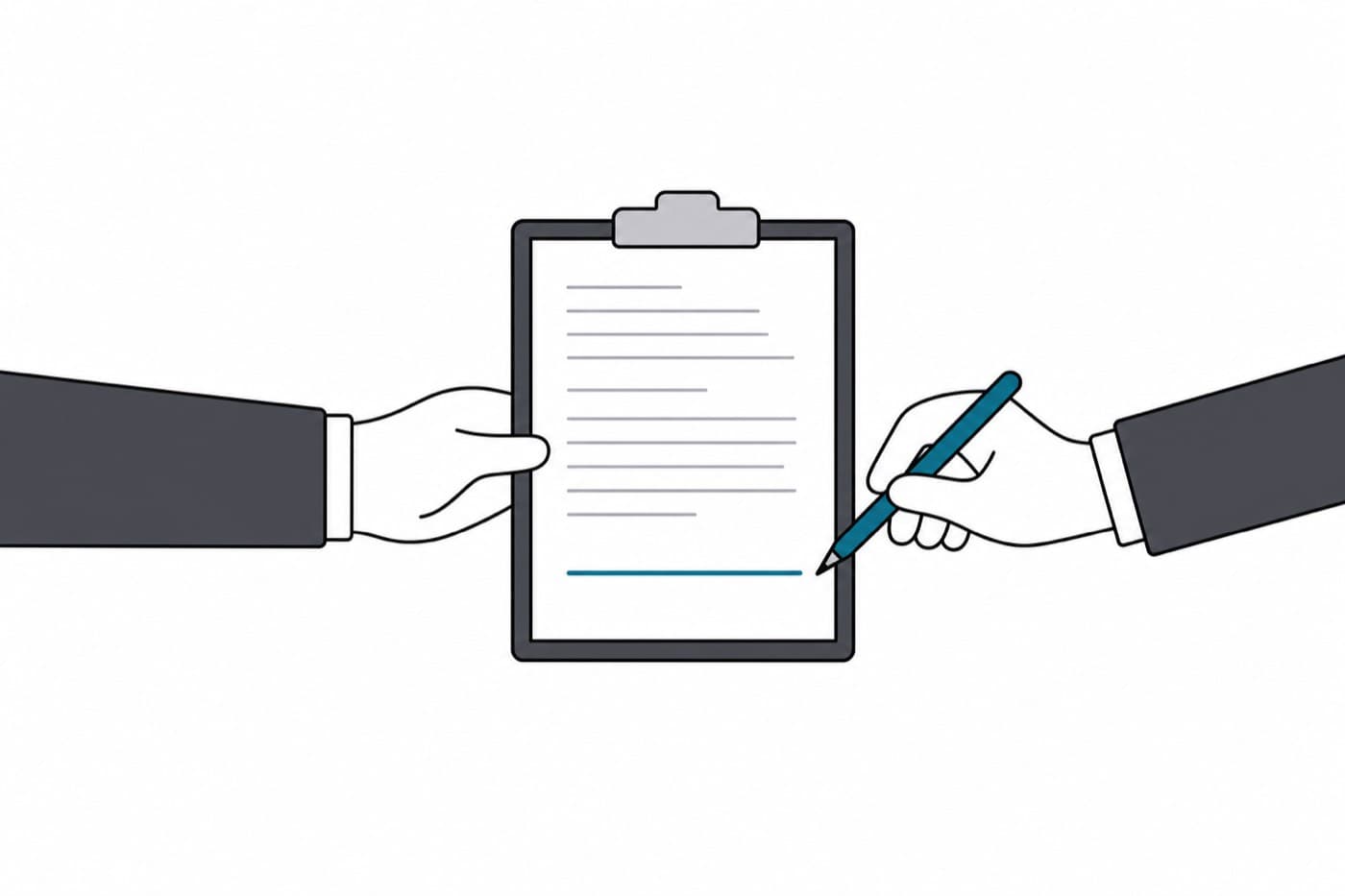
What it is for, in three parts
| It is | Meaning |
|---|---|
| A receipt | The carrier acknowledges taking a stated number of handling units in stated apparent condition. This is what makes damage in transit provable at all. |
| Evidence of the contract of carriage | It records who is carrying what, from where, to whom, and on what terms. The carrier's tariff usually supplies the rest, including claim deadlines. |
| Sometimes a document of title | A negotiable bill can be endorsed and passed on, so whoever holds it can claim the goods. Common in international trade, rare on a domestic pallet. |
The four things to read at the bay
- 1The consignee. Is this actually for you. Signing for another company’s freight is rarer than it sounds and more annoying than it sounds.
- 2The piece count. Pallets, cartons, handling units: whatever the number says, count that many. This is the one check that takes twenty seconds and catches a whole missing pallet.
- 3The freight terms. Prepaid or collect, and who has title in transit. It tells you whether a damage claim is yours to make or your supplier’s.
- 4The delivery receipt line. The part you sign. Everything you want to say about condition goes here, in specific words, before the pen leaves the paper.
Worth knowing
A bill of lading counts handling units. Eight shrink-wrapped pallets can be signed for perfectly correctly while a third of the parts inside are missing, because the document was never counting parts. Your own count against the purchase order is a separate job and nothing on this form replaces it.

Writing an exception that is worth something
Vague exceptions get argued away. Specific ones do not. Compare:
| Written | Worth |
|---|---|
| Damaged | Almost nothing. Which piece, how badly, damaged how: every question is still open. |
| 2 of 8 cartons crushed on one corner, contents not yet checked | A great deal. It fixes the count, the location, the extent and the fact that a concealed damage question remains open. |
| Short | Little. Short of what, by how much, against which document. |
| 7 pallets received, BOL states 8 | Everything. It is a factual contradiction recorded at the moment of delivery, on the carrier's own paperwork. |
Photograph the copy the driver takes away, with the writing visible. An exception noted only on your copy is a note to yourself, and it will be treated as one.
This describes how the rules generally work in the United States and links to the primary sources so you can read them yourself. It is not legal advice, and your contract with a supplier or carrier can change any of it. For money that matters, ask a lawyer.
What that signature does and does not commit you to is a bigger question than the document itself: what signing actually commits you to.
If you are on the other end of this and need to issue one, there is a blank bill of lading you can fill in and print on this site, laid out the way carriers expect and marked non-negotiable as the statute requires.
Questions people ask
- What is the difference between a bill of lading and a packing slip?
- A bill of lading is between the shipper and the carrier: it is the receipt for freight handed over for transport and the evidence of the carriage contract. A packing slip is between the supplier and you: it lists what is inside the shipment. The bill of lading counts pallets and handling units; the packing slip counts items.
- What does a clean bill of lading mean?
- It means the carrier accepted the freight, or you received it, with no exception noted about its condition. A clean signature at delivery is a record that the shipment looked undamaged and complete on arrival, which is why writing an exception before signing is so much easier than arguing afterwards.
- Is a bill of lading a contract?
- It is evidence of the contract of carriage rather than the whole of it. The carrier's tariff and its published rules usually form part of the agreement too, which is where claim filing periods and liability limits commonly live.
- What is a straight bill of lading?
- A non-negotiable bill consigned to a named party, which is the ordinary case for domestic freight. A negotiable, or order, bill can be endorsed and transferred, which makes it a document of title used where payment and delivery need to be linked, typically in international trade.
- Can I refuse to sign a bill of lading?
- You can refuse to sign clean. Refusing to sign at all rarely helps, because it leaves no record of what arrived and when. The stronger move is to sign with a specific written exception describing what you can see, and to photograph the copy the driver takes away.
Sources
- 0149 U.S.C. Chapter 801: Bills of Lading · Cornell Legal Information InstituteThe federal bill of lading statute, sometimes called the Pomerene Act, covering interstate and export bills.
- 0249 CFR § 373.101: Motor carrier bills of lading · Electronic Code of Federal RegulationsWhat a motor carrier's bill of lading has to contain.
- 0349 U.S.C. § 14706: Carrier liability · Cornell Legal Information Institute
DockCount does this job on a phone at the bay: count a delivery against the order it was placed on, photograph anything wrong, and the record writes itself. What receiving software costs, and the free tier.