Detention, demurrage and the charges that start while nobody is watching
Free time runs out quietly, the meter runs daily, and the first anyone usually hears is an invoice. What the terms mean and the four habits that keep them small.
In short
- Both meters start on dates set by somebody else, and neither sends a warning.
- The defence is calendar work done before the goods arrive, not negotiation afterwards.
- Disputes are won on dates. Record when you were notified and when you booked.
These charges have an unusual property: by the time you learn about them, most of the money has already been spent. There is nothing to decide when the invoice arrives, which is why the whole of the work sits earlier.
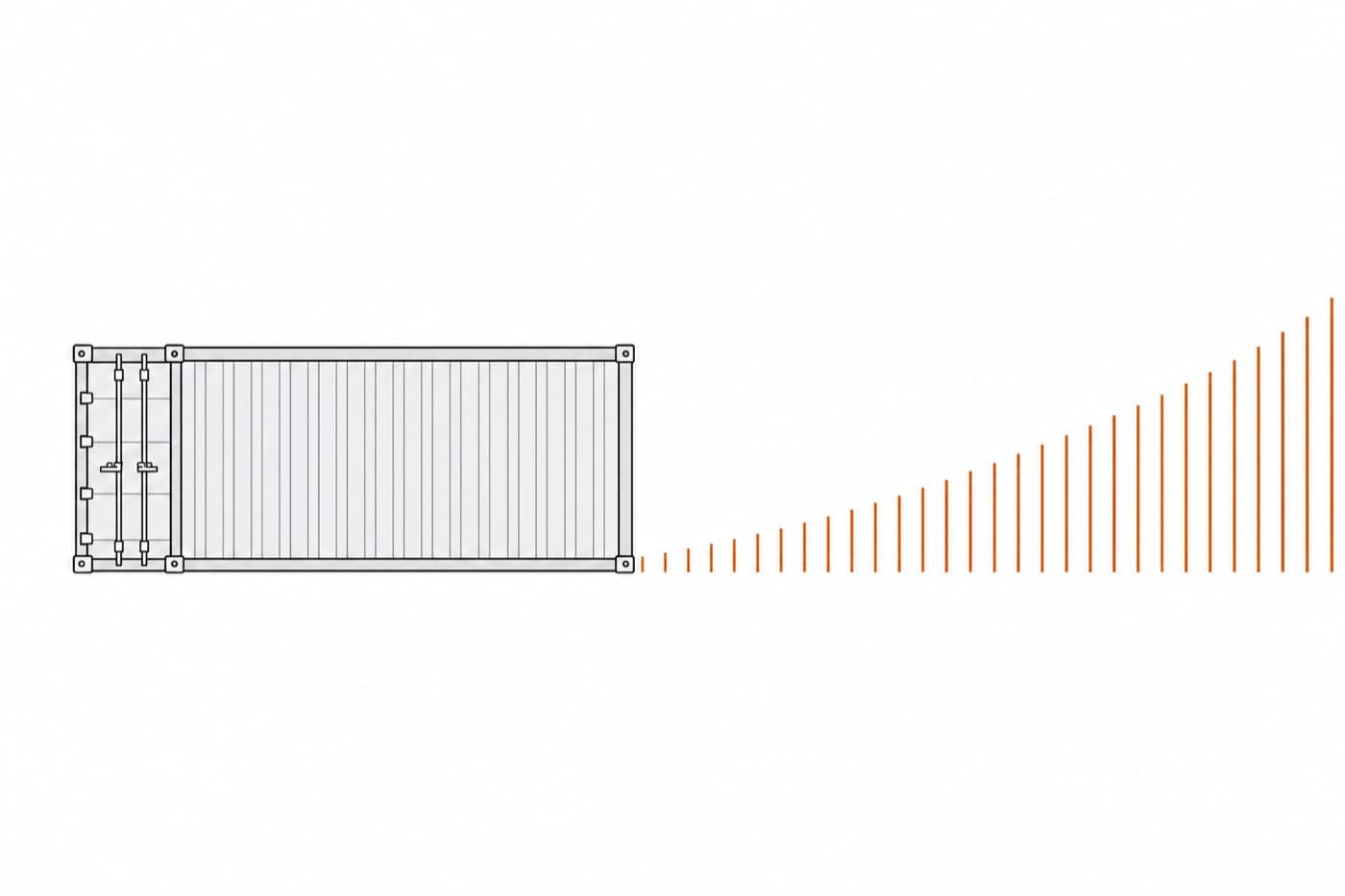
Which is which
| Demurrage | Detention | |
|---|---|---|
| Charged for | Cargo occupying terminal space after free time | Holding the carrier's equipment beyond the allowed period |
| Typical trigger | Container not collected in time | Container or trailer not returned in time |
| Where it happens | At the port or terminal | At your premises, or in transit |
| Fixed by | Carrier tariff or contract | Carrier tariff or contract |
The definitions vary between carriers and modes, and some use the words almost interchangeably. Do not argue about terminology on the phone; ask which date the clock started and how many days were free.
The four habits
- 1Find out the free days when the shipment is booked, not when it lands. It is a one-line question and it changes what you plan around.
- 2Book the delivery slot early. The most common cause of demurrage in small operations is not being able to take the delivery on the day it became available.
- 3Make sure somebody can actually unload it. Equipment sitting in your yard because the forklift driver is away is detention accruing at your expense.
- 4Write down when you were told what. Every successful dispute is a timeline, and timelines cannot be reconstructed from memory a month later.
Worth knowing
If your terms are DDP or the supplier arranges carriage, these charges may not be yours at all, but they will sometimes be invoiced to you anyway, because the carrier bills whoever is nearest. Check the term before paying.
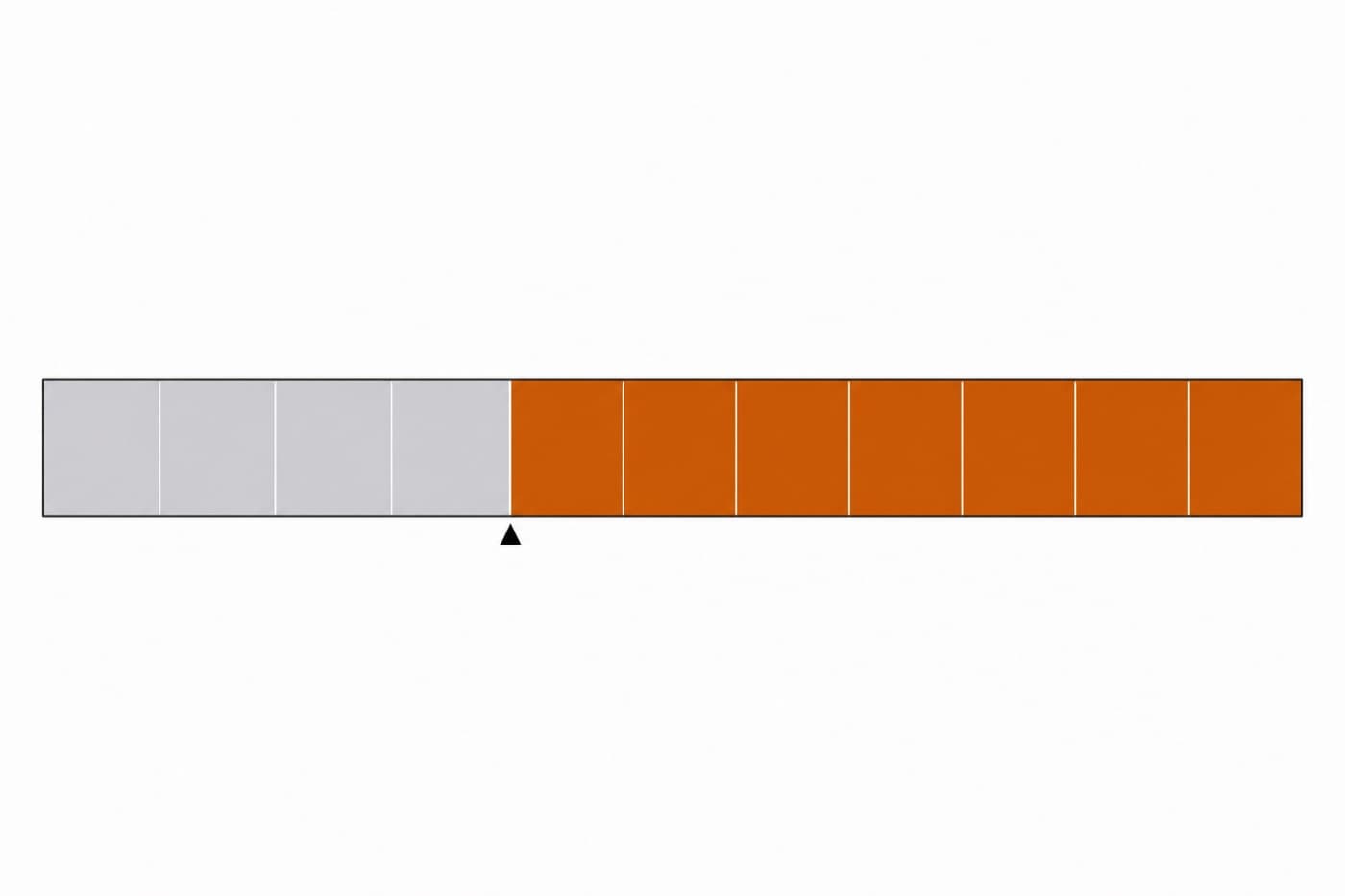
Which terms put these on you in the first place: Incoterms read from the buyer’s side.
Questions people ask
- What is the difference between detention and demurrage?
- Demurrage is about cargo occupying space it should have left: typically at a port or terminal after free time expires. Detention is about equipment you are still holding, such as a container or trailer, after the allowed period. Roughly: demurrage is the cargo staying, detention is the box travelling with you and not coming back.
- What is free time?
- The number of days included before charges begin. It is set by the carrier's tariff or your contract, not by law, and it varies widely. It is also frequently shorter than people assume, and it can start counting on a date you were not notified of.
- Who pays them?
- Usually whoever holds the risk and obligations at that point in the journey, which the freight term decides. A charge landing on you for a delay caused by the supplier, or vice versa, is a contract question rather than an inevitability, and it is worth checking rather than paying.
- Can they be disputed?
- Often, particularly where the delay was caused by something outside your control such as a missing document from the shipper or a terminal appointment that was not available. Disputes succeed on dates and evidence, which means the useful work is recording when you were notified and when you booked, at the time.
- How do I keep them small?
- Know the free days before the shipment leaves, book the delivery slot as early as you can rather than when the container lands, make sure whoever receives it can actually unload it that day, and return equipment promptly. Most large bills are the sum of small avoidable delays rather than one dramatic failure.
Sources
- 0149 U.S.C. § 14706: carrier liability · Cornell Legal Information InstituteCited here only for the general framework of carrier obligations. Detention and demurrage themselves are creatures of the carrier's tariff and the contract of carriage rather than of statute.
DockCount does this job on a phone at the bay: count a delivery against the order it was placed on, photograph anything wrong, and the record writes itself. What receiving software costs, and the free tier.