Cross-docking, and whether a small operation should bother
Moving goods from inbound to outbound without putting them away sounds efficient and usually is not, at this size. The three cases where it genuinely pays.
In short
- It trades space and handling for timing risk. That is a good trade only where the timing is genuinely predictable.
- It removes put-away, not the receiving check. Skipping the check is what turns it into a false economy.
- Do it on specific flows, not as a policy.
Cross-docking is one of those ideas that reads as obviously efficient and turns out to be a bet on other people’s punctuality. The efficiency is real. So is the bet.
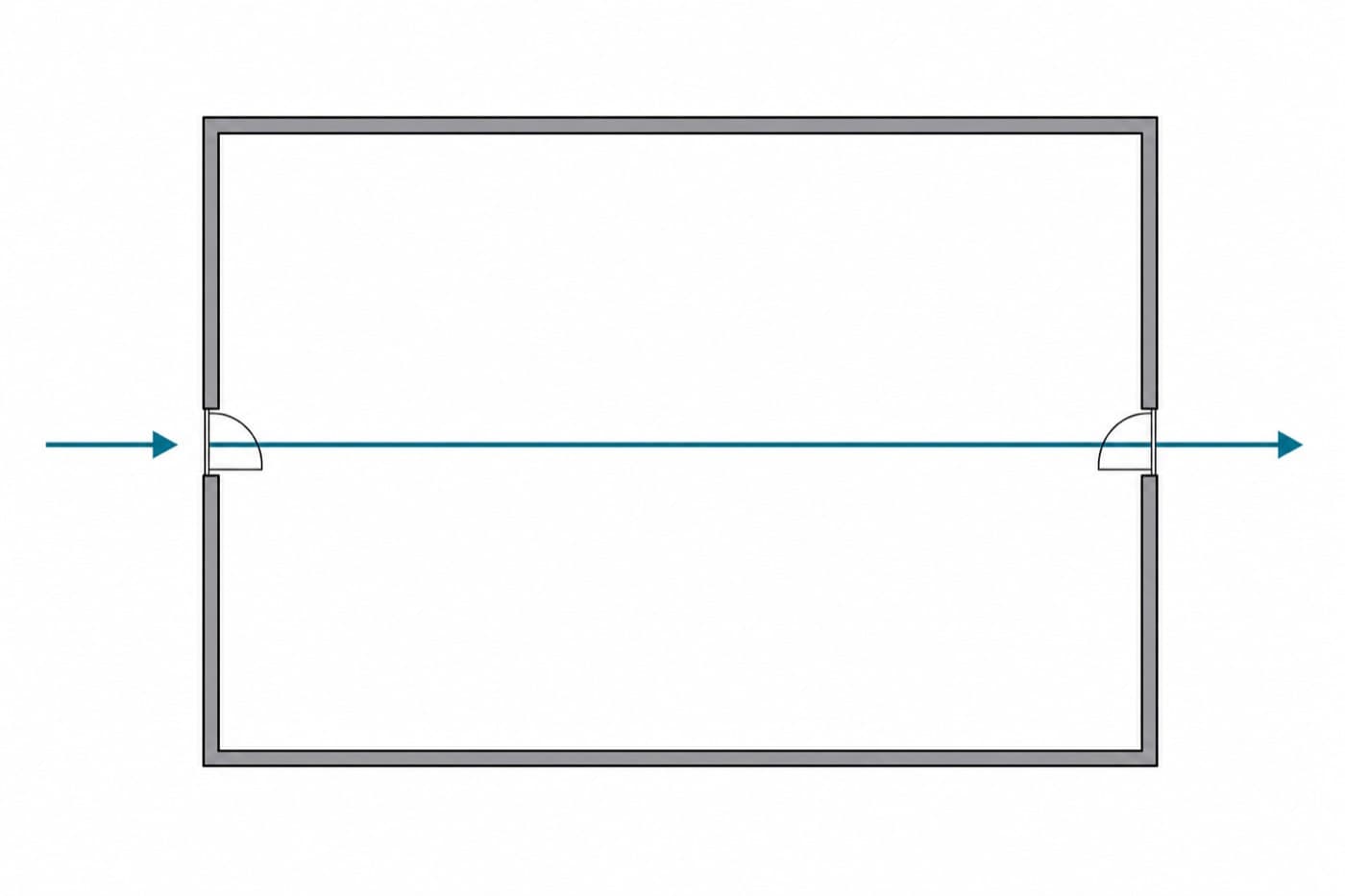
What it removes, and what it does not
| Removed | Still required |
|---|---|
| Put-away into a location | Counting against the purchase order |
| Storage space and its cost | Checking condition and photographing damage |
| Picking from storage later | The receiving record and the discrepancy report |
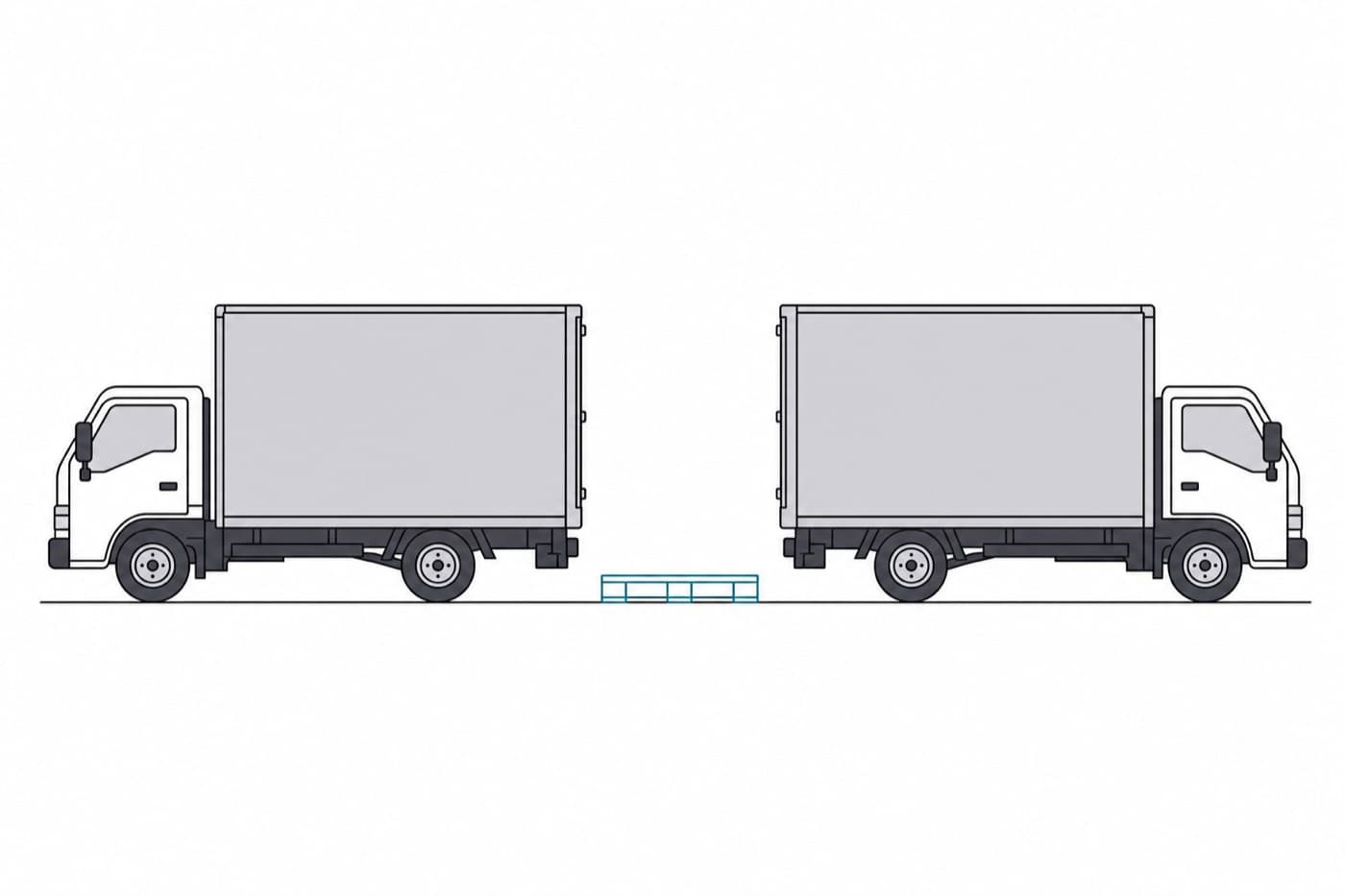
| A second handling touch | Somebody being there when both vehicles are |
The three cases where it pays at small scale
- 1A standing consolidation. Several suppliers deliver on the same day for one customer shipment that goes out the same afternoon. The predictability is what makes it work.
- 2Bulky, low-value goods. Where storage cost is a real fraction of the item’s value, avoiding storage is most of the saving available.
- 3Goods you never wanted to hold. Drop-ship style flows where the item was bought against a specific order and storing it serves nobody.
When not to
- Inbound timing you do not control and cannot predict within a day.
- Anything needing incoming inspection beyond a visual check, because the inspection becomes the bottleneck at exactly the wrong moment.
- Goods where a shortage would stop a customer, unless you can absorb it another way.
- Any flow where the receiving check would get skipped under time pressure. That is not cross-docking, it is passing an unopened problem to somebody who trusts you.
Worth knowing
The tell that it has gone wrong is a discrepancy discovered by your customer rather than by you. At that point you have exported your receiving failure, which costs the relationship as well as the goods.
What the check still has to include, however fast the turnaround: the one-page inspection checklist.
Questions people ask
- What is cross-docking?
- Receiving goods and sending them straight out again without putting them into storage. The inbound shipment is sorted at the dock and loaded onto outbound vehicles, sometimes within hours. It removes put-away, storage and picking from the cycle.
- Does cross-docking mean I skip the receiving check?
- No, and this is the failure that makes it expensive. Cross-docked goods still need counting against the order and checking for damage, because once they have gone out to a customer a discrepancy becomes two problems rather than one. If anything, the check matters more, because there is no second chance at put-away.
- What size do you need to be?
- It is not about size, it is about predictability. A three-person operation with a standing weekly consolidation can cross-dock effectively. A fifty-person one with unpredictable inbound timing cannot, because the whole thing depends on both vehicles being where they should be.
- What does it actually save?
- Handling touches and storage space, which for bulky low-value goods can be most of the cost of holding them. What it does not save is administration: you still receive, still record, and still have to reconcile.
- What is the main risk?
- Losing the buffer. Storage absorbs late deliveries, short shipments and quality problems quietly. Without it, an inbound delay becomes an outbound failure the same day, and a supplier's bad week becomes your customer's bad week.
DockCount does this job on a phone at the bay: count a delivery against the order it was placed on, photograph anything wrong, and the record writes itself. receiving software for a small business.