Carrier liability is not insurance, and the difference is usually most of the value
A carrier's liability is capped, often by weight, and often at a fraction of what your goods are worth. What released value means and when to buy actual cover.
In short
- Liability is capped and fault-based. Insurance pays value. They are not alternatives to each other; one is a floor and one is cover.
- A per-pound cap on light valuable freight can be a fraction of the invoice.
- Either route needs the same evidence at the dock. Neither rescues a clean signature on obvious damage.
People discover this at the worst possible moment: after a loss, when a settlement offer arrives that bears no relation to what the goods cost. The arithmetic was agreed months earlier, in a rate somebody accepted without reading what it released.
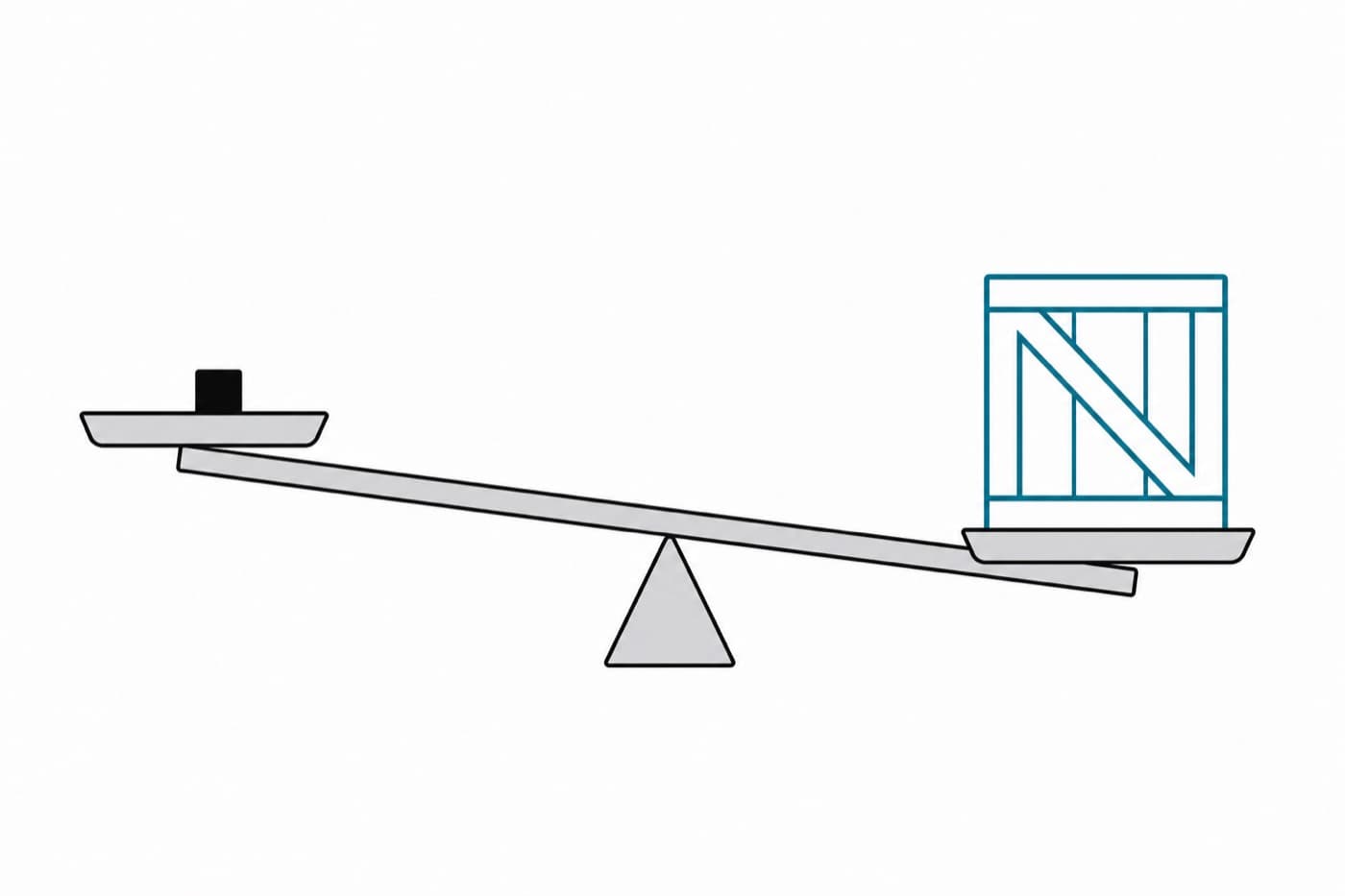
The two things, side by side
| Carrier liability | Cargo insurance | |
|---|---|---|
| What it is | A legal obligation, limited by contract and tariff | A policy you buy |
| Pays | Up to the released value, often per pound | The insured value, subject to the policy |
| Requires | Proving the carrier caused the loss | Proving the loss occurred |
| Covers acts of God, riot, inherent vice | Generally not | Depends on the policy, often yes |
| Costs | Nothing extra, it is in the rate | A premium |
The arithmetic that surprises people
Consider a pallet weighing 200 pounds carrying goods invoiced at $18,000. Under a released value of, say, a few dollars per pound, the maximum recovery is in the hundreds. That is not a carrier behaving badly; it is the rate that was accepted, doing exactly what it said.
The test is simple and worth doing once per regular lane: divide the shipment value by its weight. If the number is well above the released value per pound, the freight rate is carrying a risk you have not priced.
Worth knowing
Declaring a higher value with the carrier is not the same as insuring. It raises the cap and the rate, and it still leaves you needing to prove the carrier was at fault. For genuine cover, cover is what you buy.
What does not change either way
Both routes are decided by what happened at the dock. Note visible damage on the carrier’s paperwork before signing, photograph before anything moves, keep the packaging, and report within the deadline. An insurer will ask whether you preserved the claim against the carrier, and a clean signature is the answer nobody wants to give.
The deadlines that apply to the carrier route are in freight damage claim deadlines.
This describes how the rules generally work in the United States and links to the primary sources so you can read them yourself. It is not legal advice, and your contract with a supplier or carrier can change any of it. For money that matters, ask a lawyer.
Questions people ask
- What is released value?
- An agreed limit on what a carrier will pay for loss or damage, commonly expressed as an amount per pound. Choosing a lower released value gets a lower freight rate, and the trade is explicit: you have agreed in advance to be paid less than the goods are worth if they are destroyed.
- How much will a carrier actually pay?
- Whatever the bill of lading and tariff say, subject to the released value and to you proving the loss occurred in their custody. For light, valuable freight a per-pound cap can be a small fraction of the invoice value, which is why people are surprised by the settlement rather than by the loss.
- Does my business insurance cover goods in transit?
- Sometimes, and usually not by default. A general policy may cover stock at your premises and stop at the door. Transit cover is typically a separate section or a separate policy, and whether it applies while goods are at the seller's risk under the freight term is a question worth asking your broker before you need the answer.
- When is it worth buying cargo insurance?
- When the value per pound is high, when a loss would be more than an annoyance, or when the freight terms make the goods yours for a long journey. For a pallet of light electronics crossing an ocean, the released value payout and the invoice value are not in the same range.
- Does insurance mean I do not have to note damage at delivery?
- No. Insurers ask for the same evidence a carrier does, and often ask whether you preserved a claim against the carrier. Signing clean on visible damage can prejudice both, which is why the thirty seconds spent writing an exception protects the insurance route as well as the freight one.
Sources
- 0149 U.S.C. § 14706: liability of carriers under receipts and bills of lading · Cornell Legal Information InstituteSubsection (c) allows carriers to limit liability by written agreement with the shipper, which is the statutory basis for released value rates.
DockCount does this job on a phone at the bay: count a delivery against the order it was placed on, photograph anything wrong, and the record writes itself. What receiving software costs, and the free tier.