A supplier short shipped you. Here is the half hour that decides how much it costs
What to do in the first thirty minutes when a delivery arrives short, in order, and the three decisions that are much harder to reverse than they look.
In short
- The expensive mistake is not the shortage. It is booking the delivery in as complete and discovering the gap when the invoice arrives.
- Tell the supplier the same day. A shortage reported within hours is an administrative matter; one reported in three weeks is a negotiation.
- Decide whether you are closing the line short or expecting a back order, and record which. Leaving it undecided is what produces an order that never closes.
A short delivery is the most common thing that goes wrong and the one with the widest range of outcomes. The same missing six parts can cost nothing or cost a week, and the difference is almost entirely decided in the first half hour.
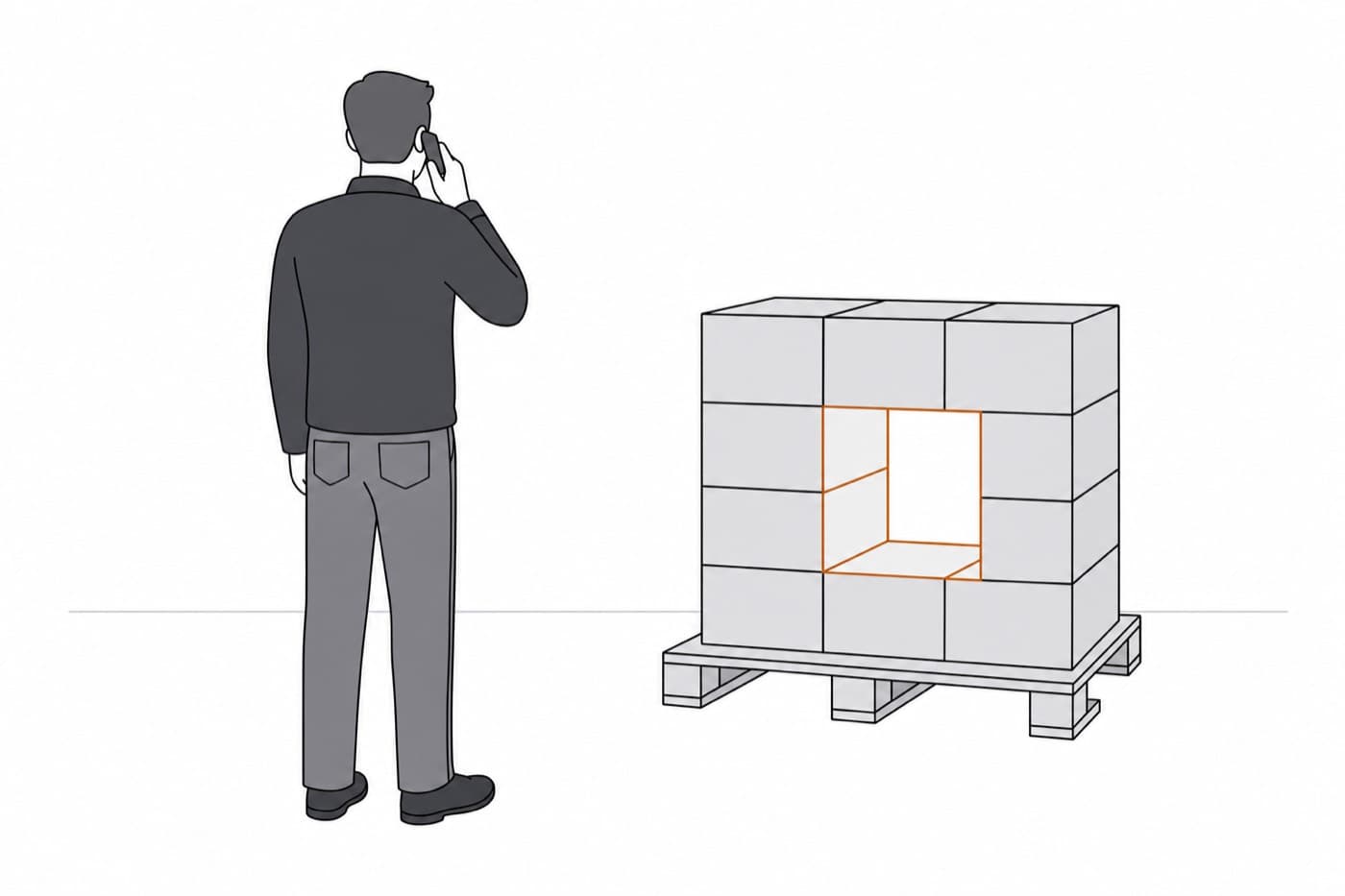
The order to do it in
- 1Before the driver leaves: note it and photograph it. If the shortage is visible, a missing carton, a pallet that is obviously light, write it on the carrier’s paperwork and photograph the load as delivered. If the count only comes up short once you open the cartons, this step does not apply and you are dealing with the supplier rather than the carrier.
- 2Count it again. Twice, by two people if there are two people. A large share of reported shortages are unit of measure confusion rather than missing goods, and finding that out after you have emailed the supplier is worse than finding it out now.
- 3Check the packing slip against your order, not just against the goods. If the slip itself says six fewer than you ordered, this is a planned short ship and probably a back order. That is a different email.
- 4Record the real number. Received 34, ordered 40. Not “40 with a note”. The record has to be able to disagree with the order or it is not a record.
- 5Tell the supplier, the same day, with a request attached. The wording that gets answered is in the discrepancy report template.
- 6Decide: back order or short close. Either the missing six are coming, and the line stays open, or they are not, and it closes at 34. Write down which. This is the decision that gets deferred and then forgotten.
Three things that are hard to undo
| Doing this | Costs you |
|---|---|
| Signing clean when a carton was visibly missing | Your best evidence against the carrier, if the carrier is the one at fault. |
| Putting the goods away before reporting | Weakens a rejection and makes a recount impossible. Hold and label disputed stock instead. |
| Booking the line in as complete to keep the system tidy | Guarantees the invoice matches and gets paid in full. This is how a company pays for goods it never received, and it is almost always well intentioned. |
The unit of measure trap
Before you report anything, check whether the order was in cases and the delivery in eaches, or the reverse. Ordering 40 and receiving 4 cartons of 10 is not a shortage. It is the single most common false alarm in receiving and it burns a supplier relationship faster than a real complaint does. The full version: cases, eaches and the shortage that is not real.
When it keeps happening
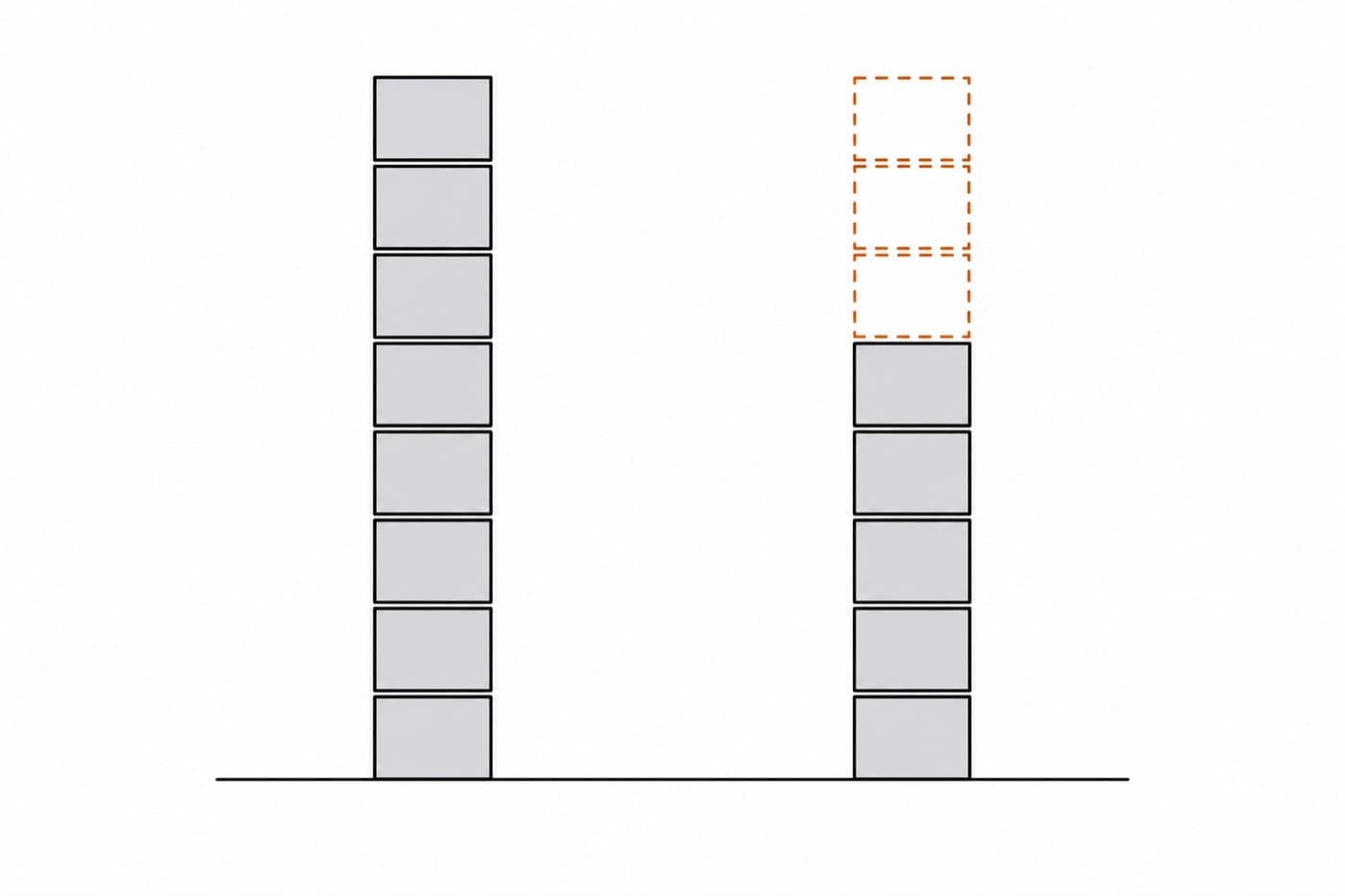
One short delivery is an incident. The same supplier short shipping four times in a quarter is a pattern, and patterns are worth more at a price negotiation than any amount of complaining in the moment. That only works if the shortages were recorded as they happened, in a form somebody can count. It is the strongest practical argument for keeping a real receiving record rather than a memory of a bad year.
DockCount does this job on a phone at the bay: count a delivery against the order it was placed on, photograph anything wrong, and the record writes itself. what short deliveries cost.